In what may be one of the more memorable collisions of workplace icebreakers and pop culture, a UK employment tribunal has ruled that being compared to Darth Vader on the job is both “insulting” and “upsetting”—at least, if you’re on the receiving end. As detailed in The Guardian, NHS blood donation worker Lorna Rooke was awarded nearly £30,000 after a Star Wars-themed Myers-Briggs exercise took an unfortunate turn.
When Icebreakers Go to the Dark Side
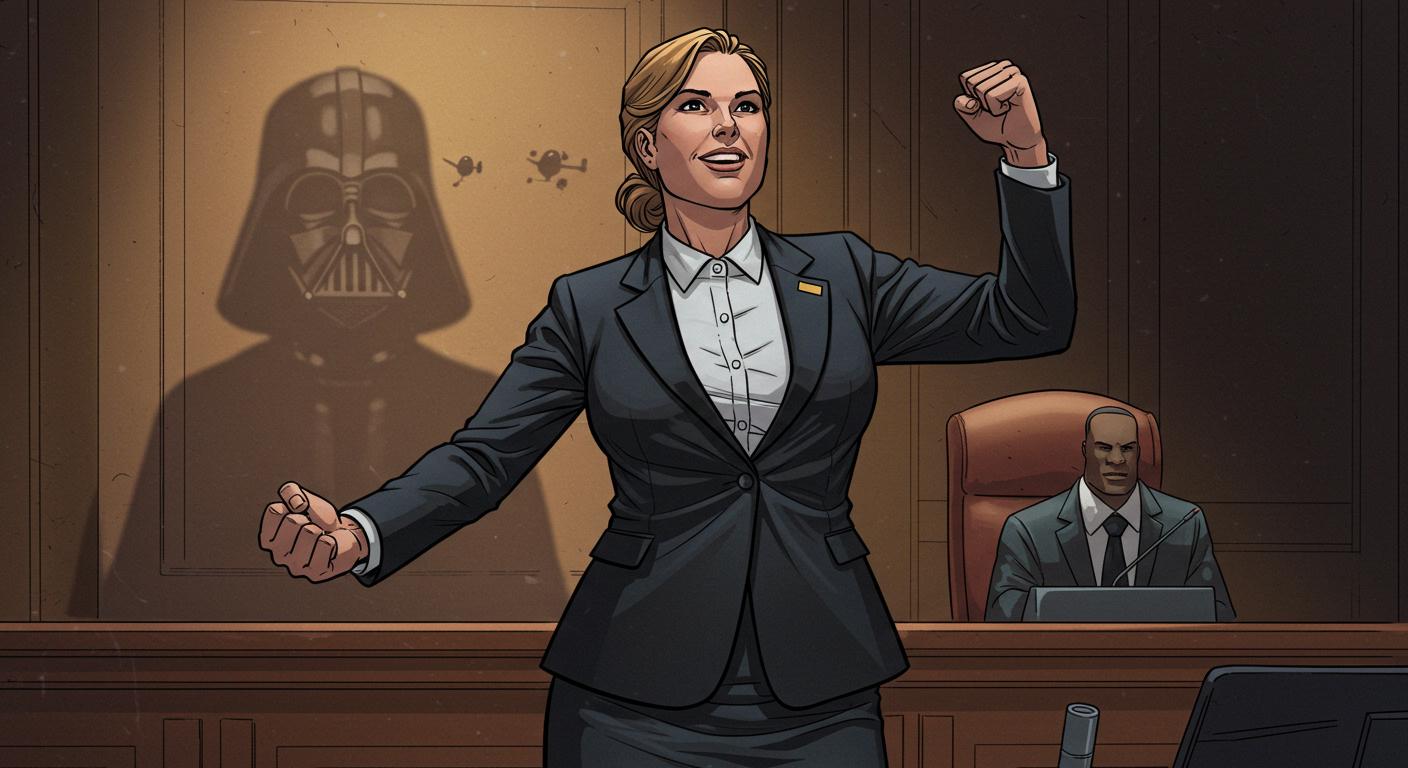
The Guardian recounts that this all began with a team-building activity in August 2021, where members of Rooke’s NHS team completed a Star Wars Myers-Briggs questionnaire created to sort personalities into galactic archetypes. Rooke, stepping out for a phone call, didn’t participate—but a coworker, Amanda Harber, thoughtfully (or perhaps not-so-thoughtfully) completed the test in her absence and announced Rooke’s result to the group: she had the same personality type as Darth Vader.
The tribunal, according to the account provided by The Guardian, determined that this impromptu assessment and public revelation of the result amounted to a professional “detriment.” In the decision, Judge Kathryn Ramsden described the alignment with an “infamous sci-fi baddie” as no small offense, noting that being compared with Vader—“a legendary villain”—was reasonably likely to be hurtful or harmful in the workplace context.
“Darth Vader Category”: Focused or Fearsome?
Interestingly, the quiz result itself was not entirely damning. The Guardian points out that in this Star Wars-themed interpretation, landing in the Darth Vader bucket meant you were seen as a “very focused individual” who could “bring teams together.” One might question whether someone on HR’s end really thought this through—or perhaps they were just charitably rebranding the galaxy’s foremost space tyrant. Still, the tribunal found it was little wonder Rooke felt “unpopular” afterward, considering that, as noted in the tribunal documents and summarized by the outlet, the outcome reflected more of her colleague’s perception than chance.
Rooke, who began working for the NHS Blood and Transplant service in 2003, told the tribunal the incident contributed to her feeling isolated and was one of several reasons for her resignation the following month. As described in The Guardian’s report, the tribunal found that while the “Darth Vader incident” wasn’t the main cause for her departure, it did qualify as a “detriment” in legal parlance.
An Office Quiz, a Tribunal, and a Cautionary Tale
Notably, The Guardian records that Rooke’s compensation—£28,989.61—was awarded on the basis of “detriment after a protected disclosure,” rather than her other claims, which included unfair dismissal, disability discrimination, and failure to make reasonable adjustments. Those were rejected, but the damages for the personality test debacle stood.
In a detail highlighted by The Guardian, the tribunal also stressed that the perception conveyed by the quiz result carried real weight since colleagues might have interpreted it as a serious comment about Rooke’s demeanor, not just idle fun.
The HR Perils of Sci-Fi Team Building
At its core, this bizarre episode is a tale of how attempts at relatable, pop culture-infused camaraderie can backfire. The Guardian’s coverage underscores that employment law is now on the record as viewing comparisons to Darth Vader in the workplace as “insulting” enough to warrant significant financial compensation. Office managers everywhere might take note: not everyone wants to learn they’ve “tested positive” for Sith Lord during morning icebreakers.
Perhaps it’s time workplace quizzes started steering clear of both the dark and light sides. Would calling someone Yoda be less risky, or could that too spawn its own tribunal sequel? Some questions may be better left untested—at least by eager colleagues with a penchant for personality sorting. In a workplace galaxy not so far away, it turns out the boundaries between fun and harm can be as thin as the line between a personality category and a supervillain’s cape.