Sometimes, the most remarkable stories don’t hinge on dramatic rescues, arcane mysteries, or the invention of teleportation. Occasionally, the heart of survival is built from an uncanny knack for adaptation, a sprinkle of quiet tenacity, and—apparently—a respectable stash of canned beans. Exhibit A: the nine-year-old in Nersac, France, whose quietly astonishing two-year solo adventure was detailed in arraymedia’s report. While most rural French childhoods are defined by family dinners and playground scrapes, his was drawn around cakes, tins, and the occasional purloined tomato.
Alone, Yet Steadfast
In an account assembled by arraymedia, the boy’s mother and her partner relocated five kilometers away, leaving him mostly to his own devices. Though she sporadically visited and even reached out to social services—albeit in ways town officials found peculiar—it took a web of concerned residents, the attentive eye of Mayor Barbara Couturier, and several unsettling observations about his home life before the pieces were put together. The authorities were alerted, and as of September 2022, the boy was finally placed in the care of social services.
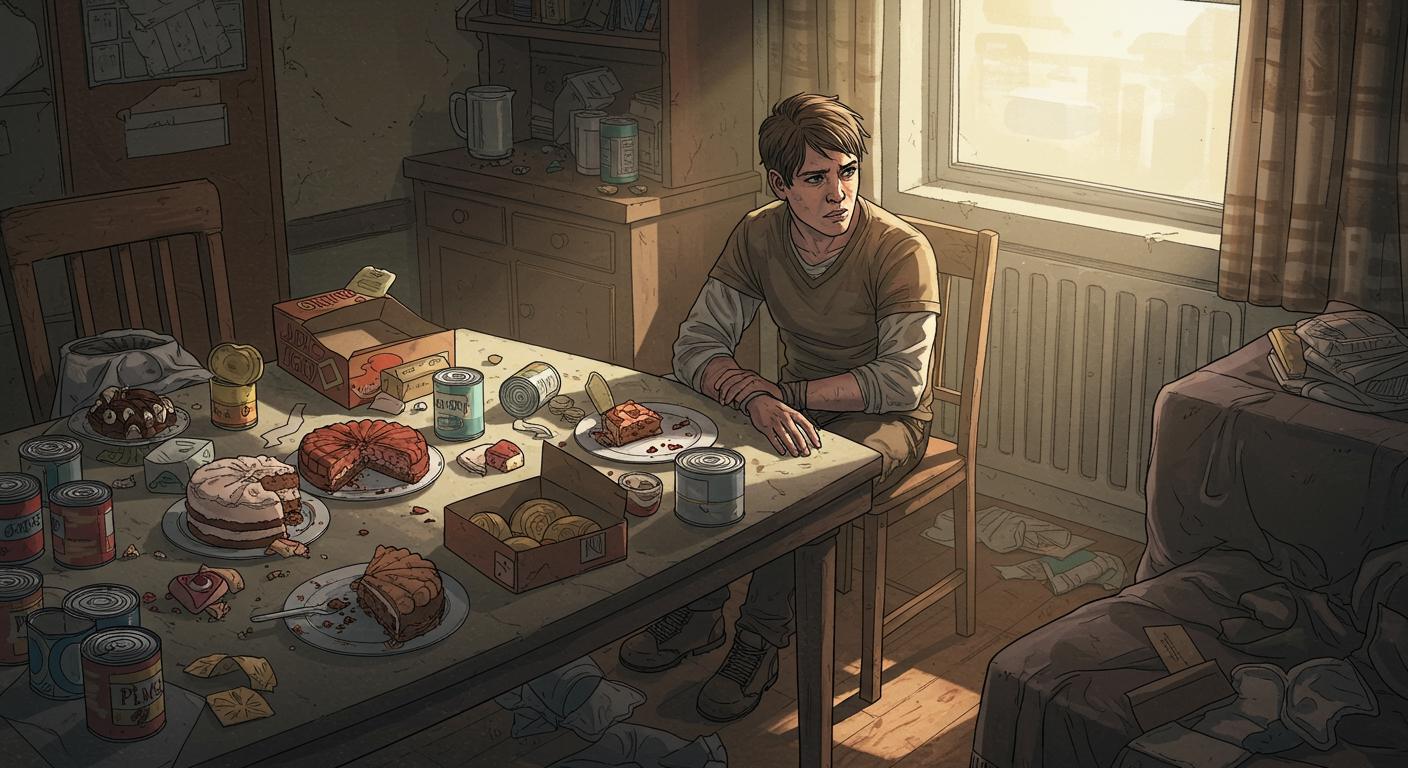
The facts of his daily existence are equal parts sobering and strange. Over the course of two years—and most notably, throughout the pandemic—he lived without hot water or heating, making do on whatever edible goods were within reach. These weren’t just meager rations scraped from the back of a pantry; according to arraymedia, his diet consisted primarily of packaged sweets, canned food, and, at times, tomatoes acquired through means that can only be described as enterprising. Most striking of all, throughout his ordeal, he maintained his school attendance and quietly excelled academically—a routine that would seem almost implausible if it weren’t so scrupulously documented.
Rations, Routine, and an Unexpected Maturity
Described in the outlet’s retelling, this is not simply a tale of basic survival. Many nine-year-olds might falter when handed the responsibility of routine meals or even consistent homework, yet this child remained a “good student,” never once raising complaint or suspicion among teachers and peers. The details evoke a strange sense of order over chaos—no heat, no warm water, but enough discipline to keep up with school assignments and, presumably, battle an ever-dwindling supply of canned peas.
As highlighted in the same report, his mother’s erratic pattern of seeking community aid—while simultaneously neglecting his day-to-day needs—added to the troubling puzzle that eventually set authorities on the right path. Still, the sheer tenacity on display could give even the most seasoned survivalists pause. There’s resilience, and then there’s the quiet resolve needed to transform emergency rations, raw tomatoes, and daily uncertainty into routine.
Ordinary Persistence, Extraordinary Circumstances
Underneath the obvious tragedy—childhood spent in isolation, mealtimes determined by what’s shelf-stable and not yet expired—there’s an almost outrageous demonstration of adaptability. The boy’s ability to keep his circumstances hidden, maintain school performance, and simply endure, raises as many questions about human resourcefulness as it does about social safety nets.
While the community’s eventual intervention—a mosaic of local concern and municipal diligence—finally shifted the story towards recovery, the episode lingers as an odd but powerful testament to quiet perseverance. In most households, the emergency canned goods gather dust until the next power outage. In this one, they became the centerpiece of everyday survival. Is it remarkable grit or simply the strange, adaptive magic of youth that allowed him to persist so steadfastly?
In the ever-growing catalog of real-life survival tales, this account stands out—not for heroic spectacle, but for its peculiar, almost inconspicuous nature. Sometimes, the extraordinary isn’t about headline-grabbing feats. It just crouches in the quiet spaces, quietly opening another can of beans, waiting to be noticed.