It’s not every day that a library story manages to check out more than just overdue fines and whispers from the reference desk crowd—but the saga out of Beachwood, Ohio this month deserves a reserved spot on the shelf of bizarre 21st-century modernity. According to cleveland.com, a man walked into the Beachwood Library, secured a brand-new library card, and launched into a literary spree—though his reading intentions seem decidedly suspect.
Book Smarts, Bad Intentions
As described in the outlet’s reporting, the man’s first stop at Beachwood Library on April 2 netted him 50 books, spanning topics like Jewish history, African-American history, and LGBTQ education. He returned a week later for 50 more books in a similar vein, telling a librarian during the second visit that his son was part of the LGBTQ community and he wanted to learn more. The librarian, while noting his behavior seemed “odd and concerning,” saw no overt threats.
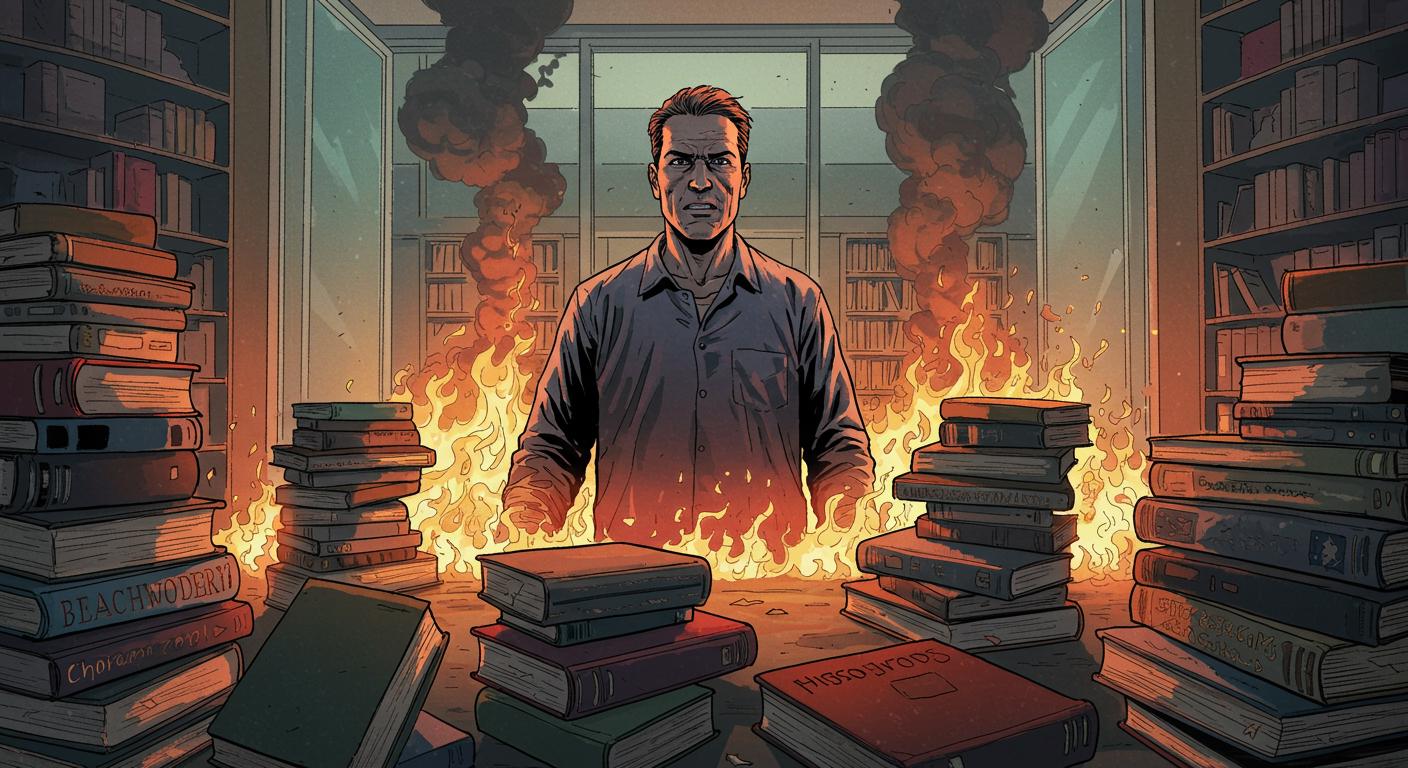
Details highlighted by cleveland.com show that the library was contacted almost immediately by the Princeton University Bridging Divides Initiative (PUBDI), a group that monitors hate crimes on social media. Just a day after the initial checkout, PUBDI told the library that the man had posted a photo on social media showing his car trunk crammed with the borrowed books, CCPL stickers clearly visible, accompanied by a caption referring to “cleansing” libraries—a word choice with historical weight that rarely bodes well for inclusivity. PUBDI flagged the incident again about a week later, after the man posted a second video displaying all 100 books burning, their library stickers and titles plainly visible. Among the refuge, one filmed title directly matched the Beachwood checkout list.
Libraries, Contracts, and Modern Dilemmas
In a detail also noted by cleveland.com, the books, valued at about $1,700 in total, were not yet overdue at the time of the report. This peculiarity of library bureaucracy means that the man’s actions—however inflammatory in the literal and figurative sense—fall into something of a limbo. As outlined by police to the outlet, once library materials are borrowed, the transaction is governed by a contract: if not returned, the library will assess overdue status, issue a bill, and only then, if ignored, refer the matter to the city prosecutor as a civil case. Until that point, the consequences are less grand than the smoke-filled spectacle might suggest. Should the man feel inspired to revisit the site for a sequel, though, he’ll find himself banned from the premises.
There’s something strikingly modern about this entire sequence: the careful acquisition of a library card, the digitally curated documentation of physical book-burning, the blend of analog ritual with online performance. In many ways, as cleveland.com underscores, it’s an act specifically calculated for both maximum spectacle and bureaucratic loophole.
Reading Between the (Scorched) Lines
Book burning is one of civilization’s more universally recognized signals of hostility—not just toward words on a page, but the people and histories behind those words. In this case, the pattern seems hard to miss. The targeted subjects, the “cleansing” rhetoric, the amplification on social media: as laid out in the original reporting, each stage appears engineered less as a private act of animosity and more as a public gesture, aimed at inflaming more than just paper.
Yet the formality of library policy is a reminder that, even in 2025, our systems run on an assumption of social contract: the idea that most who request access to knowledge will treat it with a modicum of respect. What happens when that trust collides with a bad-faith actor content to wage symbolic war for the camera? The community’s response, for now, is punctuated by overdue slips rather than outrage—an oddly mild response to a publicity stunt wrapped in very old trappings.
Final Pages
Reviewing the details, it’s difficult not to reflect on the symbolism at play. While the headlines may evoke dystopian fiction, the particulars are strictly present-day: a hundred carefully selected volumes, a car trunk, and a viral blaze starring CCPL’s stickered best. Libraries have always endured their share of odd stories, but there’s something about this blend of methodical malice and procedural anticlimax that feels uniquely unsettling.
And what exactly does this episode say about how we value knowledge, difference, and public trust? Does the spectacle amount to a rare anomaly warranting little more than dry bemusement, or is it yet another footnote in humanity’s uneasy relationship with challenging ideas?
Whatever the answer, one is forced to wonder: if Beachwood’s “hottest new release” is an ash heap, what does that say about the shelf life of free thought in the digital age? For now, the only thing certain is that the library’s overdue notice is still in the mail—and perhaps the real overdue question is how we adapt when the social contract goes up in smoke.