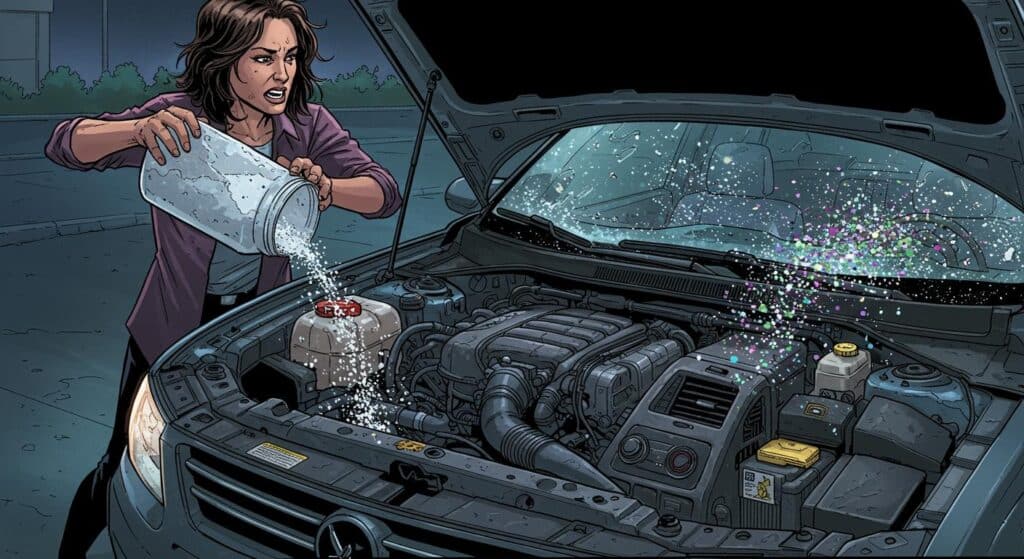
It would be one thing if humanity’s worst ideas were confined to tacky party supply shops and minor forest fires. But sometimes, as recent headlines demonstrate, the logic of spectacle oozes into places you’d least expect—or, really, most hope it wouldn’t.
When Celebration and Catastrophe Collide
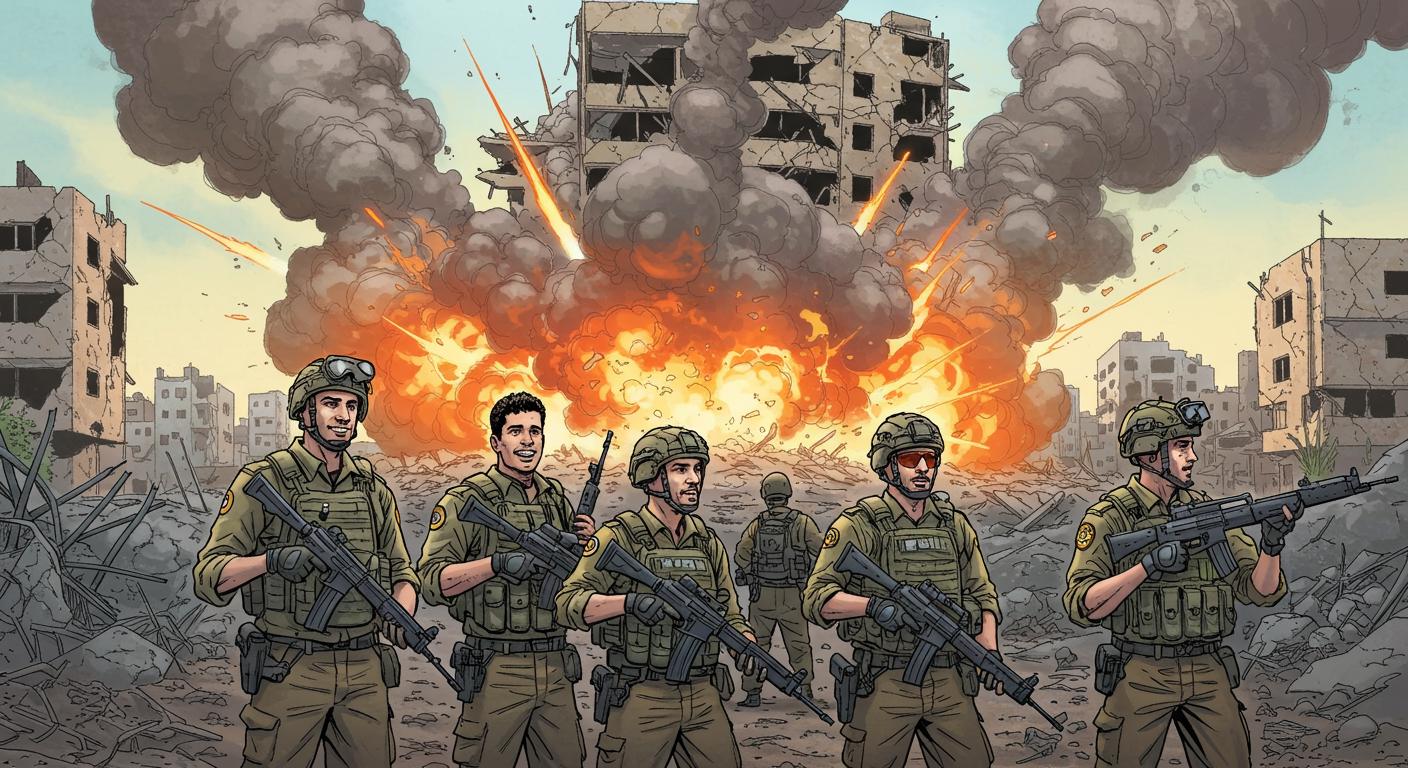
Let’s set the stage with the facts: Over the past week, multiple outlets—including Al Jazeera, Common Dreams, and Anadolu Agency—have verified a video first distributed on social media, depicting Israeli soldiers in Gaza blowing up a residential building while openly laughing. The detonation, as all three sources detail, was orchestrated as a gender reveal stunt, complete with blue smoke billowing over the rubble to announce a baby boy for one of the soldiers. According to footage described by Anadolu Agency and reviewed by Al Jazeera, the building was not a military target but a civilian structure. The soldiers themselves shared the video publicly, adding a level of intentionality to the spectacle.
In the video, laughter can be heard almost as thick as the blue smoke, as the camera lingers on the devastation. The entire episode repurposes a suburban parenthood tradition with the kind of twisted creativity one might expect only from parody.
A Landscape of Ruins
The context for this spectacle is staggering—and well documented by both Common Dreams and Anadolu Agency. According to Gaza’s Health Ministry figures cited by these outlets, over 52,000 Palestinians have been killed since the start of Israel’s most recent campaign; the majority are women and children. Anadolu further notes that the destruction has damaged or destroyed an estimated 92 percent of homes in the enclave and eliminated over 2,180 entire families from civil registries.
As Common Dreams explains, more than 17,400 children have died, and many of the deceased are either presumed to be under rubble or definitively lost. Five percent of Gaza’s children have been orphaned, and the region now has the world’s highest number of child amputees—a direct consequence of the ongoing bombardment and a healthcare system nearly collapsed under the weight of shattered infrastructure.
The International Criminal Court, as highlighted by Anadolu Agency, has issued arrest warrants for Israeli Prime Minister Benjamin Netanyahu and a former defense minister, while the International Court of Justice is currently hearing a genocide case related to these actions. The scale and specificity of the destruction render the “gender reveal” episode even more surreal: a show of personal celebration performed over the remnants of other people’s entire worlds.
“The Most Depraved Thing You’ll Ever See”?
Reactions have been, unsurprisingly, intense. Heidi Matthews, a law professor at York University in Toronto, commented that the moment marks a stage “where new Israeli life is literally celebrated through the destruction of Palestinian life,” reflecting on how the juxtaposition of birth and devastation crosses into the realm of the grotesque. Meanwhile, Daniel Lambert—the manager for the Irish hip hop trio Kneecap, known for speaking out against the Gaza bombardment—called it “the most depraved thing you’ll ever see.” Common Dreams features both reactions as direct responses to the video.
Official statements have also surfaced. The Council on American Islamic Relations, as cited in Common Dreams, said the inhumanity of such acts “clearly demonstrates once again the brutal nature of Israel’s genocidal war on Gaza and on the Palestinian people.” While the Israeli government and its allies maintain that military actions are targeting Hamas, evidence compiled in reporting by Common Dreams, Anadolu, and Al Jazeera documents repeated civilian casualties, including attacks that killed paramedics in marked vehicles and food aid workers distributing supplies.
It’s worth noting that the comedic bravado on display in the video—a group of soldiers openly celebrating as they destroy yet another home—has historical echoes. Soldiers melding gallows humor with everyday violence is not unprecedented. But even by those dark standards, the fusion of influencer culture’s “gender reveal” fad with contemporary warfare arrives as a jarring new genre. As Anadolu Agency reports, “laughter can be heard in the background as the camera pans over the wreckage,” with the entire act planned for digital sharing. You have to wonder: at what stage did someone suggest, with a straight face, that this was how to celebrate new life?
The Politics of Spectacle
Bringing this kind of celebration into a warzone distorts the very notion of festivity. In a world where gender reveals usually mean a few balloons in a park or, if things go south, a scorched patch of dry grass, the Gaza episode stands out as a fever dream collaboration between military-grade firepower and Instagram-era spectacle. Figures reported by Anadolu reveal that since October 2023, the Israeli assault has dropped 100,000 tons of explosives over Gaza and erased 2,200 families—details that lend a grim air to every colored plume.
International outrage continues to mount. As Common Dreams outlines, a consensus among rights groups has crystallized, with only 94 of 535 U.S. congressional members backing a permanent cease-fire, and ongoing advocacy described as risky in the American context, given the detention and deportation threats facing student protesters. Meanwhile, the machinery of destruction appears to grind forward—now, apparently, with the addition of party-themed pyrotechnics.
Reflection: A Shocking New Low, or a Sign of What We’ve Become?
It’s tempting to believe that horror evolves, that history’s worst excesses are recognized and never repeated quite as blatantly. Yet the Gaza gender reveal video, blending cruelty, bravado, and the commodification of spectacle into a single viral moment, seems to suggest otherwise. The tools may change—smoke bombs instead of telegrams, cell phone video instead of battlefield dispatches—but the tendency towards the sensational, even amid devastation, persists.
Perhaps the most chilling aspect isn’t even the act itself, but the casual blending of destruction and celebration: a blue cloud drifting upward, the world’s attention momentarily transfixed, and the boundaries between the personal and the political dissolving in real time. One has to ask—where does the bizarre give way to the unspeakable, and do we even recognize that boundary when it arrives cloaked in the colors of a party? And as the wreckage settles, what, if anything, are we really celebrating?