History is riddled with strange career transitions, but Klaus Barbie’s postwar pivot feels like one of those archival deep dives where fact verges uncomfortably on farce. Known infamously as the “Butcher of Lyon” for his orchestration of torture and repression in occupied France, Barbie’s journey after fleeing Europe didn’t end in quiet obscurity. Instead, as reported by Der Spiegel and summarized via CBS News, his trajectory veered into the heart of South America’s cocaine trade—a professional detour so unlikely it seems almost tailor-made for the annals of “Did you know?”
Postwar Hide-and-Seek, with a Side of Cocaine
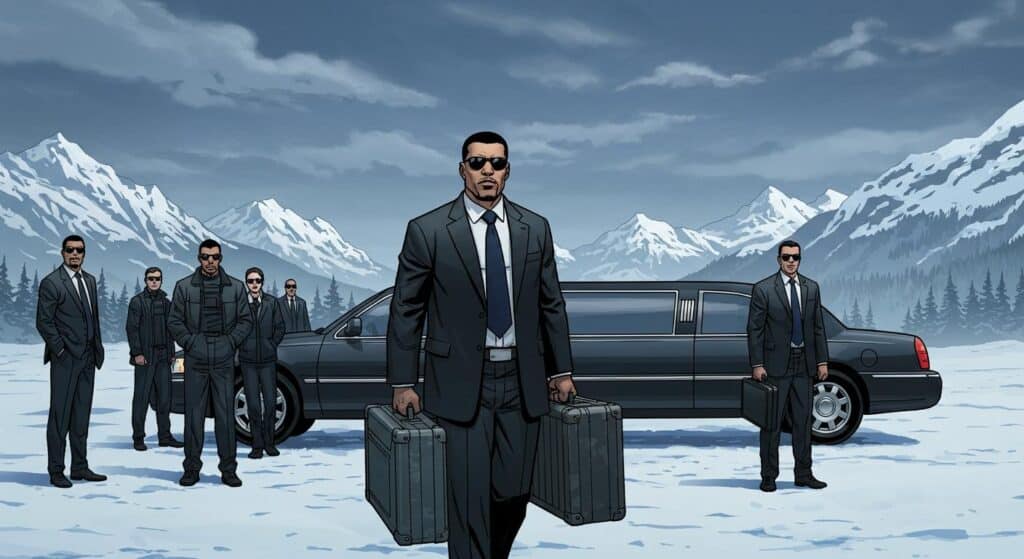
After World War II, Barbie escaped to Bolivia, adopting the alias Klaus Altmann. There, he reportedly became deeply involved with drug lord Roberto Suarez, serving as a security adviser through the 1970s. As Gary Suarez, Roberto’s son, recounted to Der Spiegel, Barbie was “an important person to my father,” bringing to the table a particular set of skills: “security, military strategy and secret service work.” In a detail highlighted by AFP through Insider Paper, that know-how translated easily from Gestapo operations to cartel maneuvering—a grim trick of history where old tools find new uses.
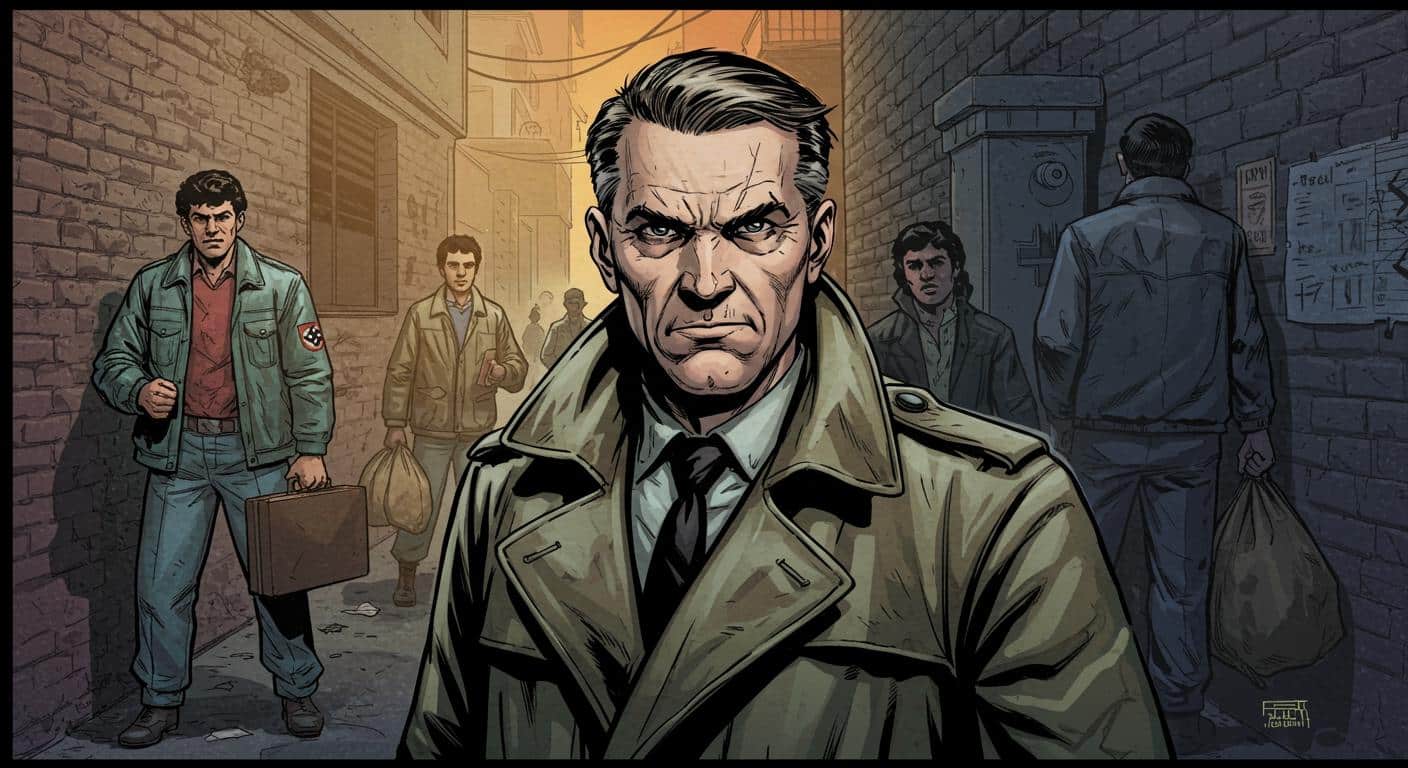
Not content with merely consulting for traffickers, Barbie dove into Bolivian politics as well. He played a key advisory role with the Bolivian security services and, as Suarez’s son also outlined, aided in the organization of militias during the run-up to Bolivia’s violent 1980 coup. Among these groups were the neo-Nazi mercenaries, colorfully named the “Bridegrooms of Death,” headquartered at the swastika-bedecked Club Bavaria in Santa Cruz. According to reports collated by The Times of Israel, after the coup, these mercenaries found themselves crushing both political opposition and the competition within the burgeoning cocaine business—suggesting that Barbie’s expertise in suppressing dissent had become an export product.
A Rolodex for Dictators and Drug Lords
Sifting through the layers, one finds Barbie’s reach extending even further. CBS News, synthesizing details from Der Spiegel, records how a 1974 CIA dispatch flagged him as being possibly involved in the drug trade. This suspicion unfurled against the larger tableau of the Cold War, when Barbie had already been tapped as an anti-communist agent by American intelligence—a point also emphasized in the AFP and Times of Israel coverage. The United States would later issue a formal apology to France for its role in helping Barbie evade immediate postwar justice, offering a rare historical admission of diplomatic missteps.
Barbie’s value wasn’t just theoretical, either. Gerardo Caballero, Suarez’s son-in-law, told Der Spiegel that Barbie was pivotal to their operations, especially in facilitating cooperation with Colombian drug kingpin Pablo Escobar. It reads a bit like an improbable networking event, except instead of name tags and business cards, participants brought paramilitary squads and access to clandestine routes—skills apparently always in demand, if one has the right (or wrong) connections.
The pattern of postwar repurposing continues as The Times of Israel, referencing Der Spiegel’s previous investigations, notes Barbie’s secret agent work for West German intelligence, operating under the codename “Adler” (“Eagle”) in Bolivia from the mid-1960s onward. Clearly, career mobility for fugitives from justice—at least in the mid-20th century—favored those with a résumé in clandestine violence.
History’s Leftover Monsters
With all details layered and attributed, perhaps the oddest part is just how muted the transition seemed to those around Barbie. As recounted by Gary Suarez and other family members, Barbie’s move from interrogating prisoners in Lyon to organizing mercenary death squads and advising narcotraffickers appears less a radical transformation than a simple change of venue. The same tools, repackaged for a new wave of violence.
Is there something uniquely telling in how the worst chapters of history refuse to close neatly? The story is less about reinvention than about the stubborn persistence of certain skill sets. One wonders, looking back at the weaving together of intelligence agencies, war criminals, and rising narco-empires, how many such threads still run unnoticed through today’s stories.
History, as usual, is stranger than we remember—or would like to admit. Sometimes, its villains just swap uniforms.