Sometimes, a story arrives so neatly packaged in self-defeat that it reads like a case study in flawed logic. The saga of Justin M. Kimbell, as outlined by Howell County News, offers just such an example: an attempt to rectify a grievance that results only in compounding one’s own legal troubles. You have to stop and wonder—was this outcome anywhere in the plan?
Calling Law Enforcement on Yourself: An Unconventional Complaint
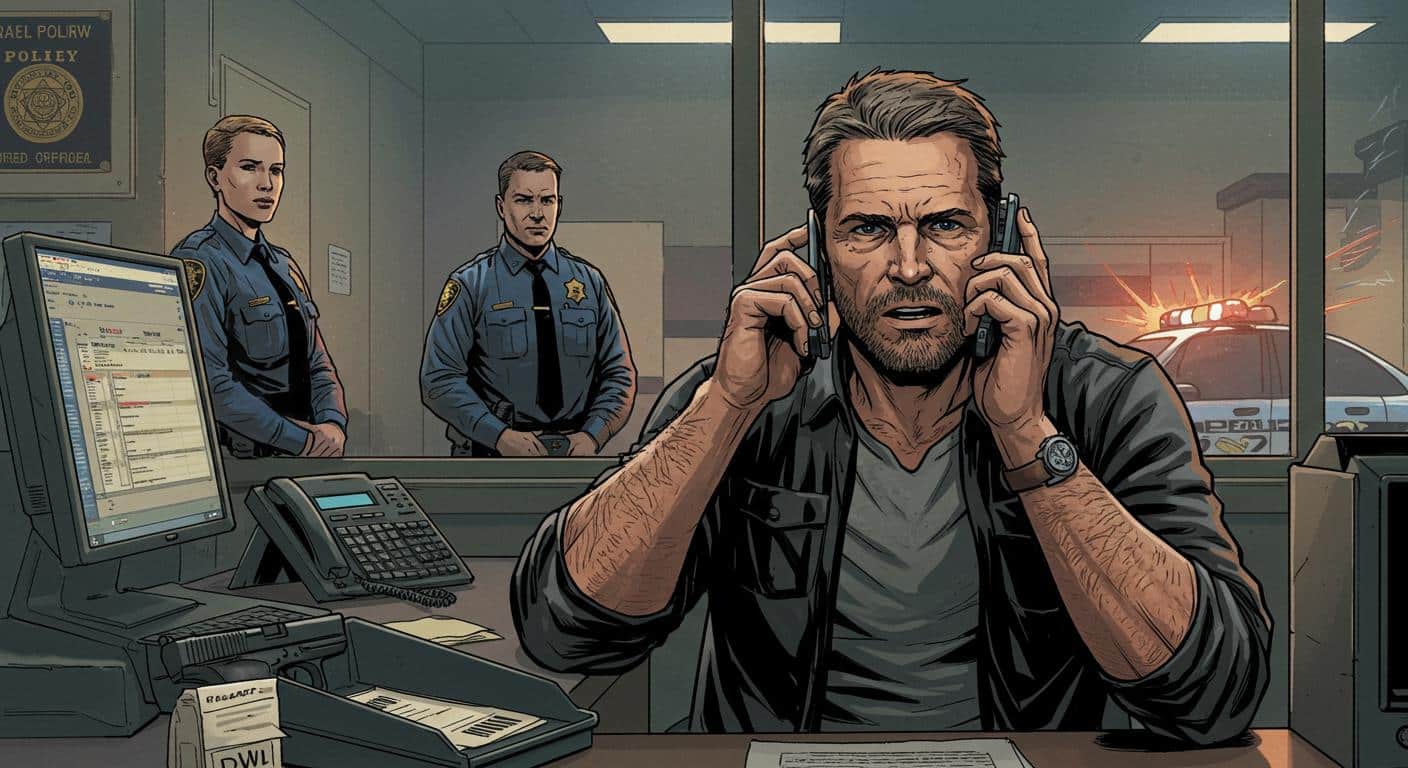
Described by publisher Amanda Mendez in the report, Kimbell, a 41-year-old Mountain View resident, has a recent history with Missouri’s criminal justice system. He’s on probation after a DWI crash with injuries and is currently serving a suspended three-year sentence. Yet, undeterred by either legal status or apparent irony, Kimbell called Howell County deputies on June 3 to announce he’d attempted to buy a gun—only to be rebuffed by the seller after she learned of his felony record.
Authorities told Howell County News that on their way to follow up, Deputy Timothy Gordon recognized Kimbell driving a vehicle with no registration—a notable issue considering Kimbell’s license was suspended. During the ensuing stop, court documents cited by the outlet indicate, Kimbell was found to be intoxicated and failed field sobriety tests, registering a blood-alcohol content of .309%. That’s more than a little north of legal—a level the newspaper diplomatically translates as “behaving erratically.” He was promptly detained for a 24-hour DWI hold, per officials quoted in the story.
So before deputies could get around to the gun deal complaint, Kimbell had managed to accrue a brand-new DWI charge for his collection. It does make you question the order of problem-solving priorities at work.
The Gun Barter, the Victim, and a Sinister Twist
In a detail highlighted by Howell County News, Deputy Brandon Barnes spoke with the other party in Kimbell’s gun transaction. Contrary to Kimbell’s version of events, this was no cash-for-gun arrangement; rather, it was reportedly a barter—guns for guns. The article explains that the woman involved is regarded by law enforcement as a victim, largely because she provided photographic documentation of a much more harrowing encounter with Kimbell back in April 2025.
According to her statements to deputies, and as recounted in the local paper, she had given Kimbell a ride when he became agitated, produced a black powder revolver, and pressed it to her head. The hammer was cocked, but she managed to deflect the muzzle just in time; the subsequent blast tore through the driver’s window and left powder burns on her face. You might half-expect that to be the final chapter in their involvements, but the same report says she continued trading guns with Kimbell after this near-fatal incident.
The outlet also notes that the latest dispute—over the return of a traded gun—prompted Kimbell to demand the weapon back, and when refused, he called the authorities for assistance. Is this an extreme version of the “the customer is always right” philosophy? Or just ill-conceived wishful thinking? It’s a logistical puzzle.
A Stacking List of Legal Woes
After sorting out the conflicting narratives, law enforcement charged Kimbell with no fewer than five serious offenses: first-degree assault, persistent DWI, discharging a firearm at a person, unlawful possession of a firearm, and armed criminal action. Officials confirmed to Howell County News that his bond was set at $25,000 for these charges.
Earlier in the report, it’s mentioned how much of Kimbell’s predicament was self-inflicted—from instigating the call, to driving intoxicated with a suspended license, to escalating a simmering dispute in the least advisable way possible. The pattern is difficult to ignore.
Pondering the Logic of Self-Sabotage
So what, exactly, do we take from an incident like this? According to the outlet’s straightforward documentation and the facts woven throughout the account, there’s no shortage of warning signs—legal, ethical, and basic common sense—ignored in a single afternoon. Is there a threshold at which repeated bad decisions just become ordinary, or does each one amplify the absurdity of the last?
Irony, unfortunately, doesn’t shield anyone from consequences. And perhaps, as underscored by this story, turning to law enforcement to resolve a grievance only works out if you aren’t simultaneously wading through a portfolio of unresolved legal issues. Sometimes the most peculiar stories write themselves—and in this case, they place a collect call along the way.