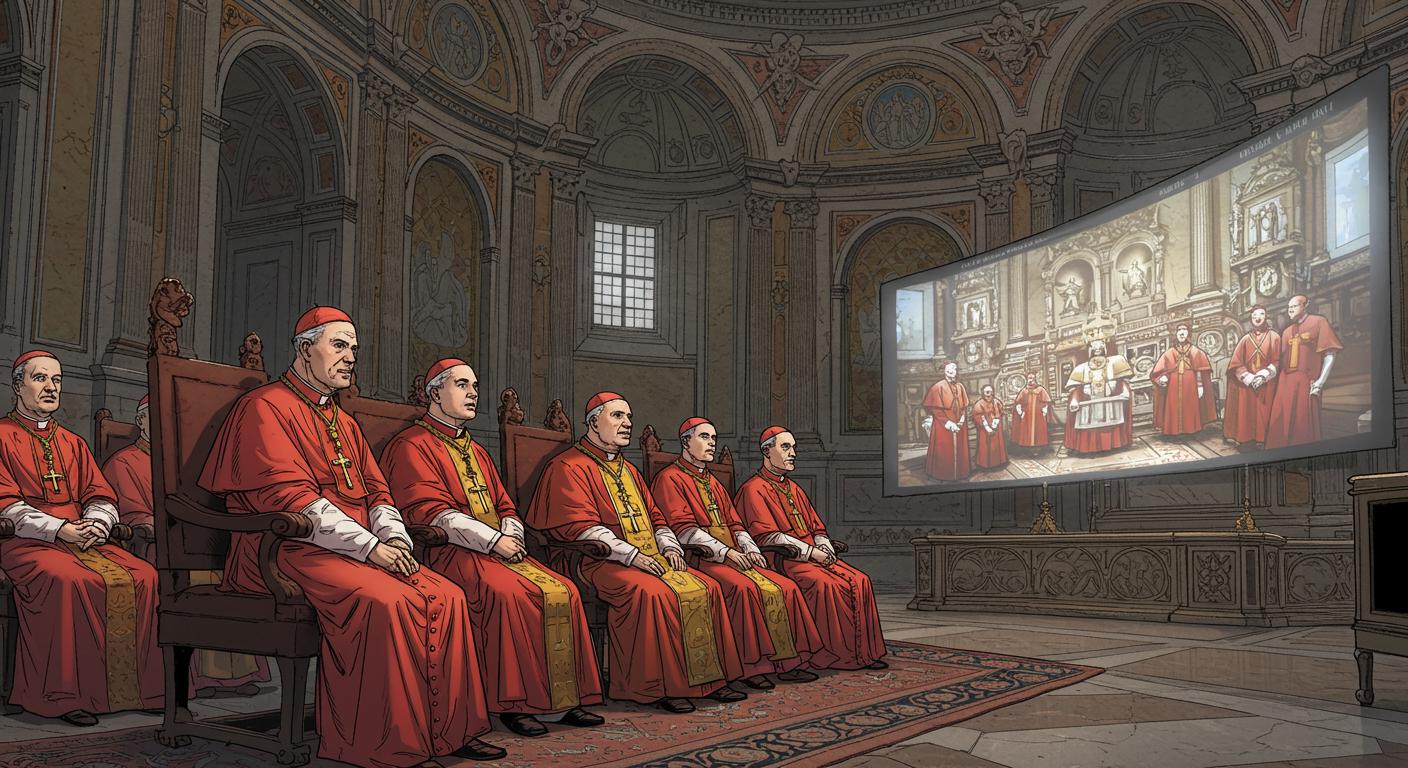
In what might be the most unexpected addition to Vatican preparations since papal Twitter accounts, a group of Catholic cardinals has turned to the big screen for a briefing on their next real-life assignment. As detailed in a report from The Express Tribune, some of the 133 voting cardinals are reportedly using the film “Conclave,” starring Ralph Fiennes, as an informal guide to their upcoming papal election duties.
When a Thriller Becomes a Training Manual
The notion of senior clerics relying on a Hollywood script for hints on centuries-old Vatican rituals is the sort of historical irony that mostly writes itself. According to The Express Tribune, the movie—which follows Fiennes’ Cardinal Thomas Lawrence as he navigates the labyrinths of Vatican intrigue—has resonated with many cardinals facing their first conclave. Most were appointed by Pope Francis and hail from far-flung or smaller dioceses, bringing with them less direct experience of Rome’s political choreography. With actual media leaks, sensational headlines, and internal rivalries swirling outside the Chapel’s locked doors, the film’s dramatized atmosphere isn’t as far removed from reality as one might think.
A cleric involved in the conclave, cited by POLITICO as relayed by The Express Tribune, described the film as both timely and informative—a sort of visual primer for cardinals more familiar with regional dynamics than Vatican shadowplay. Some have reportedly found the depiction helpful as a crash course, sitting somewhere between procedural briefing and group movie night. Given the unusual blend of reality and fiction now at play—complete with an actual cardinal barred from voting due to recent financial scandal revelations, as the Tribune notes—no one could accuse the Catholic Church of lacking for dramatic material.
A Conclave More Global (and Less Predictable) Than Ever
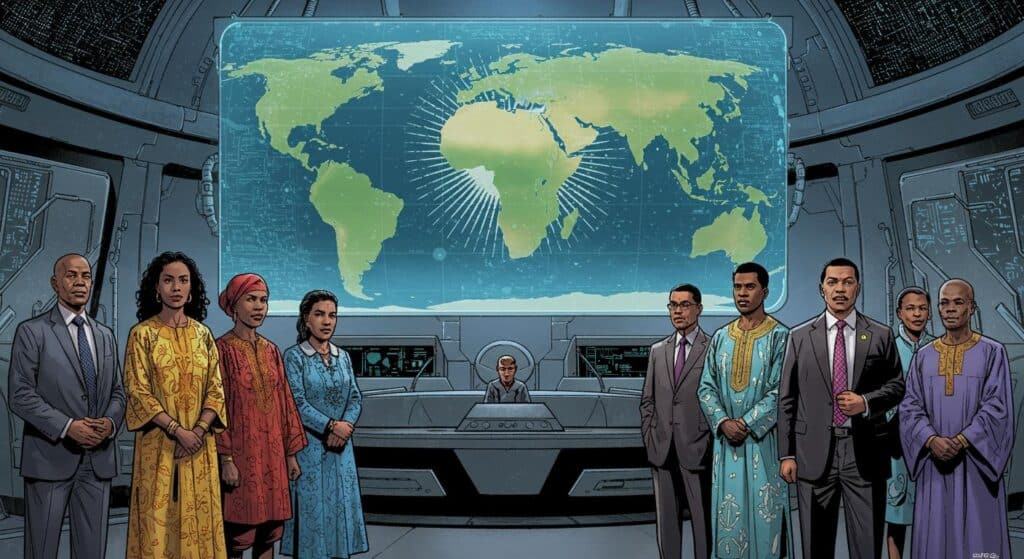
While Hollywood handles the ambiance, the real-life makeup of this conclave marks a historic departure from tradition. According to Rappler’s coverage, Pope Francis’s appointments have increased the share of voting cardinals from Asia and Africa to a striking 30%—up from 19% in 2013 and a barely-imagined 3% in 1903, when nearly all cardinals were European. Europe’s dominance now stands at just 39%, compared to 52% little more than a decade ago.
Rappler highlights this as a deliberate shift, reflecting Francis’s effort to move Catholicism’s center beyond its European roots. The outlet points out that, for the first time, 15 different countries—including Rwanda, Papua New Guinea, and Sweden—will have cardinal electors participating. This new diversity brings energy and international perspective, but the practical effect is that many cardinals are unfamiliar with one another. As reported by Rappler, this unfamiliarity makes consensus-building a real challenge, potentially rendering the outcome of the papal election more unpredictable than in prior generations.
The shifting demographic isn’t just symbolic. Rappler reports the Church is growing fastest in Africa (up 3.31% from 2022 to 2023) and Asia (up 0.6%), while Europe’s numbers barely budged (0.2% growth). More than 60% of the world’s seminarians now hail from Asia and Africa, suggesting the future of Catholic leadership is gradually relocating from Rome’s shadow.
Fact, Fiction, and a Dash of Humanity
In a detail that captures the moment’s strangeness, The Express Tribune’s report describes how a glossy, dramatized film has found favor as an unofficial training tool, despite the Vatican’s preference for tightly held tradition and centuries of precedent. And, in light of the headline-grabbing investigations, scandals, and media leaks swirling in Rome right now, it’s not entirely surprising some cardinals appreciate a dense and atmospheric dress rehearsal—even if it stars Ralph Fiennes.
Whether this cinematic “prep” actually leads to a smoother, wiser conclave—or just gives novices enough confidence to blend in amid the frescoes—remains to be seen. As Rappler previously reported, geographical diversity is no guarantee of harmony within the Chapel; it is, however, a sign that the Church is adjusting, if somewhat reluctantly, to its global reality.
So, does a Vatican movie night say something about the quirks of modern church leadership, or does it just make for an oddly fitting anecdote for a conclave unlike any other? Even as fiction and reality blur, one thing is clear: this year, the Sistine’s secrets and silences echo with hints of both arthouse suspense and genuine uncertainty. Will the cardinals come away with newfound insight from their cinematic studies—or, when the doors finally close, discover no script can ever prepare them for the strange, suspenseful ritual of picking a pope?