
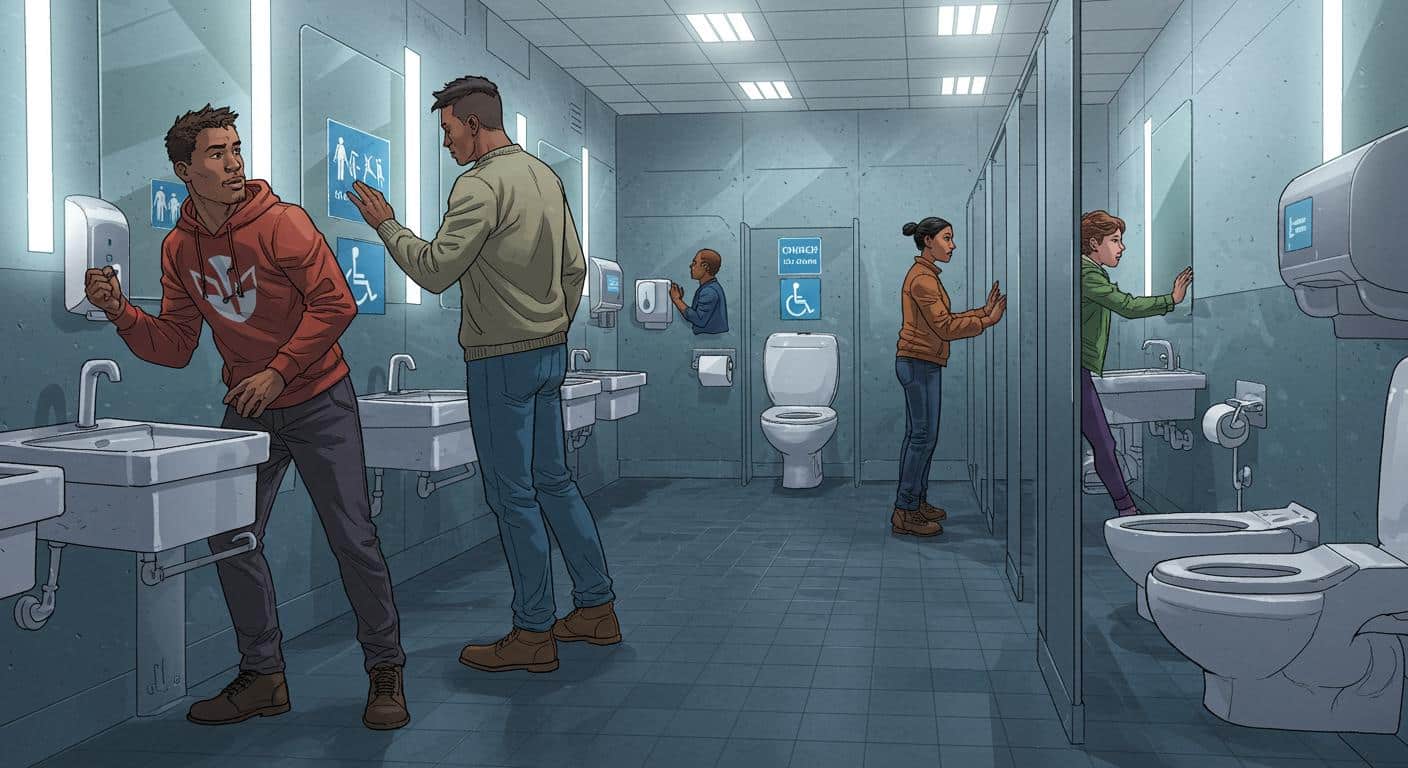
Let’s just get this out of the way: it’s 2025, and Vancouver is rolling out an “Adult Toilet Training” campaign. If your first reaction is to suppress a chuckle or question reality, you’re not alone—what does it say about a society that has to remind grown-ups not to treat the toilet like a wishing well for inconvenient products? Yet, beneath the surface humor, there’s a very real, expensive headache brewing below Vancouver’s streets, as CTV News reports.
Flushable Wipes: The Urban Sewer Villain
It’s quietly staggering just how much havoc a humble wipe can wreak once it hits the sewer system. Metro Vancouver spends around $2 million each year hauling out mountains of wipes—some marketed with a wink as “flushable”—from municipal pipes. Grouping the facts together, both CTV News and the Voice Online highlight that roughly one in four residents admit to flushing wipes at least occasionally, with young men aged 18 to 35 leading the charge. The regional district has tried to be polite about it: “Most people are already doing the right thing, but we need everyone to remember—only flush pee, poo and toilet paper,” board chair Mike Hurley reminds the public.
Much of the confusion, it seems, originates with packaging. There’s currently no legal definition for “flushable” in Canada, so those cheery labels are little more than wishful thinking on a baby-blue box. Malcolm Brodie, chair of the regional liquid waste committee, summed it up with a dash of civic exasperation: companies can claim their products are safe to flush “regardless of how destructive they really are,” and the results are backups in homes, businesses, and the local environment.
Besides wipes, Metro Vancouver lumps tampons, dental floss, paper towel, and hair into the ever-expanding hall of “unflushables,” compounding what officials describe as a costly, unnecessary mess.
When Marketing Meets Infrastructure
These are more than just billing line items—the consequences sneak out of sight but not out of reach. Both CTV News and the Voice Online detail how the wrong flush leads to clogged pipes and pricy cleanups, while the Daily Hive brings up Vancouver’s fondness for cheeky public campaigns. You might recall their earlier mascots, Pee and Poo, from the “Unflushables” blitz of 2019—a tactic that suggests educating adults about sewer realities is, for some reason, not a one-and-done task.
It all comes down to that awkward intersection of creative marketing and the cold facts of municipal maintenance. Every time “flushable” wins out over “common sense,” the city’s pipes brace for their next battle. You really have to wonder: how many of life’s smaller conveniences are hiding much bigger complications beneath the surface?
Why Is This So Hard?
The campaign’s gently needling tagline—“Just because you’re an adult doesn’t mean your toilet training is over”—lands somewhere between a PSA and a nudge to collective conscience. Are busy lives, misleading labels, or simply old habits most to blame? The supporting data isn’t ambiguous: both campaign and survey details, as discussed by Metro Vancouver through the cited outlets, point to persistent misconceptions about what toilets can handle.
For those keeping score, most Vancouverites are getting it right—and probably rolling their eyes at restroom elevator posters intended for the rest. Still, the annual two-million-dollar reminder is impossible to ignore. Maybe the uncomfortable truth is that, for all our sophisticated plumbing and clever marketing, we’re still tripping over the simplest household lessons.
The Irony of “Adult” Education
There’s an undeniable irony in adult-targeted restroom signage quietly correcting basic behaviors. Daily Hive notes that mascots and bold bathroom posters aren’t just quirky PR; they’re necessary steps for defending infrastructure from the combined force of habit and advertising. It’s almost poetic—a city’s best-laid plans undone by wishful thinking and a box of wipes.
Is Vancouver’s move really so unusual, or just a particularly frank example of cities wrestling with the cost of everyday expectations? Across the world, municipalities fight similar battles where little choices—flick, flush, toss—add up. What else is quietly bogging down infrastructure, out of habit or half-heard advice?
Closing Thoughts
So, Vancouver’s public plea isn’t merely about wipes, toilets, or stretched budgets; it’s a dry, faintly weary reminder that what we flush (in every sense) eventually surfaces. And in 2025, the “Adult Toilet Training” campaign is a quiet monument to the idea that not all grown-up lessons stick as well as we’d like. Perhaps next time that “flushable” claim beckons, a second’s pause will spare the pipes—and the city—a little extra trouble.