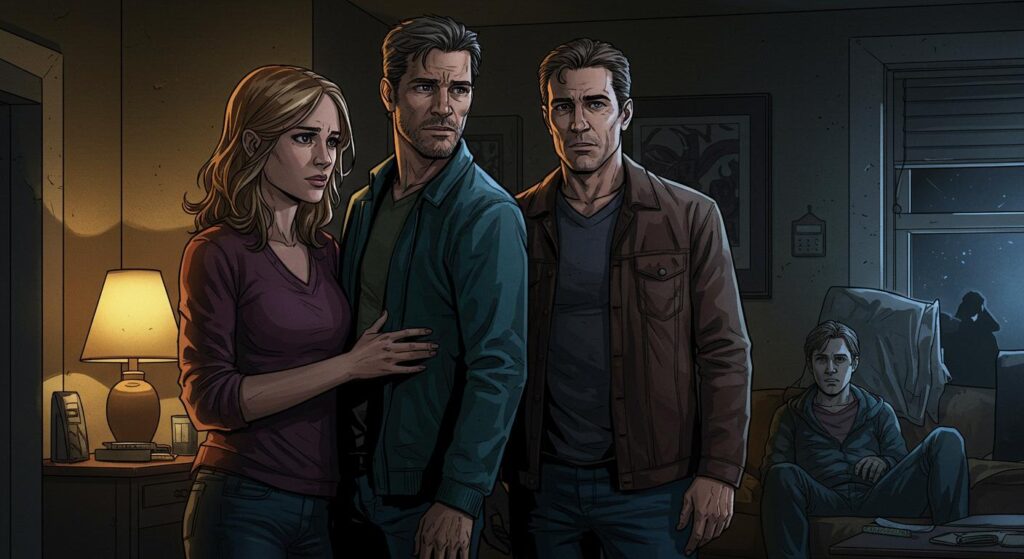
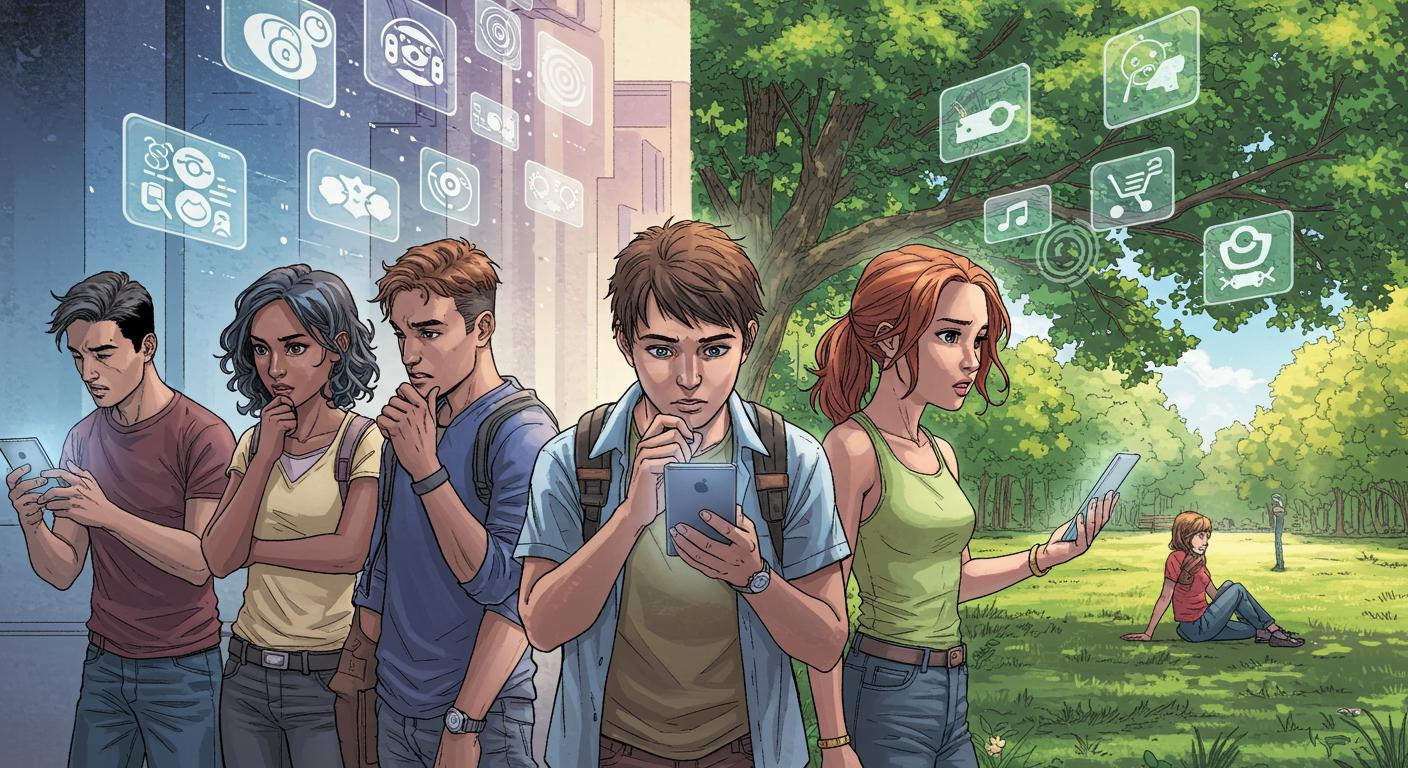
If the latest UK research is anything to go by, it turns out that a substantial segment of today’s teens is just about ready to raid the library stacks and trade their Wi-Fi passwords for a year’s supply of notebook paper. According to a recent survey conducted by the British Standards Institution, and as The Guardian reports, nearly half of 16- to 21-year-olds surveyed said they’d actually prefer a world in which the internet never happened. Meanwhile, half would support a “digital curfew” cutting off access to apps after 10pm—a bedtime story worthy of the unplugged generation.
Offline Longings in a Switched-On World
There’s a certain irony in finding these statistics while scrolling through social feeds at 3am, but the numbers don’t lie: digital fatigue is real, and it’s not only the realm of burned-out millennials sighing at unread emails. As Tech Digest highlights, nearly 70% of young people surveyed reported feeling worse about themselves after using social media, with 46% expressing a preference for being young in a world without the internet. This sense of malaise is further underscored by Wonderful Engineering’s coverage, which documents how frequent exposure to Instagram’s greatest hits and TikTok’s never-ending feed is leaving teens with a persistent case of the comparison blues.
Regarding their habits, a quarter of respondents clocked in at four or more hours of social media use daily, as Tech Digest notes. When it comes to the pandemic’s digital aftershocks, 75% of respondents acknowledged that their online activity increased during that period; 68% now believe that this surge in screen time has been detrimental to their mental health, a pattern described by Tech Digest and echoed in BGNES’s article.
Even in a generation raised on memes and Minecraft, there’s still only so much pixelated connection one can take before it starts to lose its glow.
Secret Identities and Curfews: The Weird Wild West of Digital Natives
Take a stroll through the finer details of the study and it starts to sound less like a survey and more like a spy novel. The Guardian, BGNES, and Wonderful Engineering all describe how 42% of teens confessed to lying about their age online, and just as many admitted fibbing to their parents about their digital dalliances. Meanwhile, 40% maintain so-called “burner” accounts—the modern equivalent of a fake mustache and trench coat. About 27% have gone further by adopting entirely fabricated online personas. There’s also the statistic that 27% have shared their location with strangers—a detail few adults would endorse.
While the UK government is mulling digital curfews for apps like TikTok and Instagram—technology secretary Peter Kyle has publicly mused on mandatory app cut-off times, as first reported by The Guardian and echoed in BGNES—experts in the field caution that curfews alone are about as effective as closing your eyes and hoping the pop-ups go away.
Rani Govender, NSPCC’s policy manager for child safety online, argues that a digital curfew by itself “is not going to protect children from the risks they face online,” because harmful content, after all, has never had much regard for office hours. Govender stressed to Tech Digest and Wonderful Engineering that the real challenge lies in making platforms themselves less addictive and fundamentally safer, insisting that the risks will “still have the same impact” even if access is limited at night.
The Kids Are (More) Self-Aware Than Expected
Something genuinely unexpected stands out amidst the password-sharing and late-night scrolling: young people seem acutely self-aware of these risks and drawbacks. Andy Burrows, chief executive at the Molly Rose Foundation, explained to The Guardian that today’s youth recognize how algorithms can nudge them down rabbit holes of distressing material. There’s demand for tech companies to intervene—or for laws to be introduced, as Wonderful Engineering references, that would require “safe by design” features or platforms that don’t automatically reward the most outrageous content with the biggest spotlight.
This isn’t just a case of moral panic from an older generation shaking its fist at the TikTok cloud. The teens themselves, as highlighted by Tech Digest and Wonderful Engineering, are asking for change—whether that’s regulatory action or radical platform redesign.
Reflection
There’s something both amusing and strangely reassuring in all of this. The first generation to truly grow up online seems to be keenly aware of the costs—and, in quite large numbers, would be just fine pulling the plug entirely. That’s not nostalgia; it’s a level-headed response to finding out that limitless access often comes with equally limitless downsides.
Meanwhile, the rest of us might do well to take notes—both on how kids lie about their digital habits and, more importantly, how they’re now questioning the bargain we’ve all made with the connected life. Could it be that the ultimate act of teenage rebellion in 2025 is to want less technology, not more?
As algorithms and digital debates rage on, you can almost hear the analogue hum of a disconnected modem in the background: a brief moment, perhaps, of contentment with nothing but the real world for company.