Sometimes the most fascinating news story is the one you can’t quite read. In a rather perfect encapsulation of life on the internet, an article promising that entrepreneur Balaji Srinivasan hopes to found a new country through crowdfunding sits behind a wall of Javascript requirements, offering nothing but a title and tantalizing suggestion. If you were hoping for blueprints, border designs, or whether he’d go for a flag with a blockchain on it, you’re out of luck—at least for now.
The Art of the Possible (and Probably Impractical)
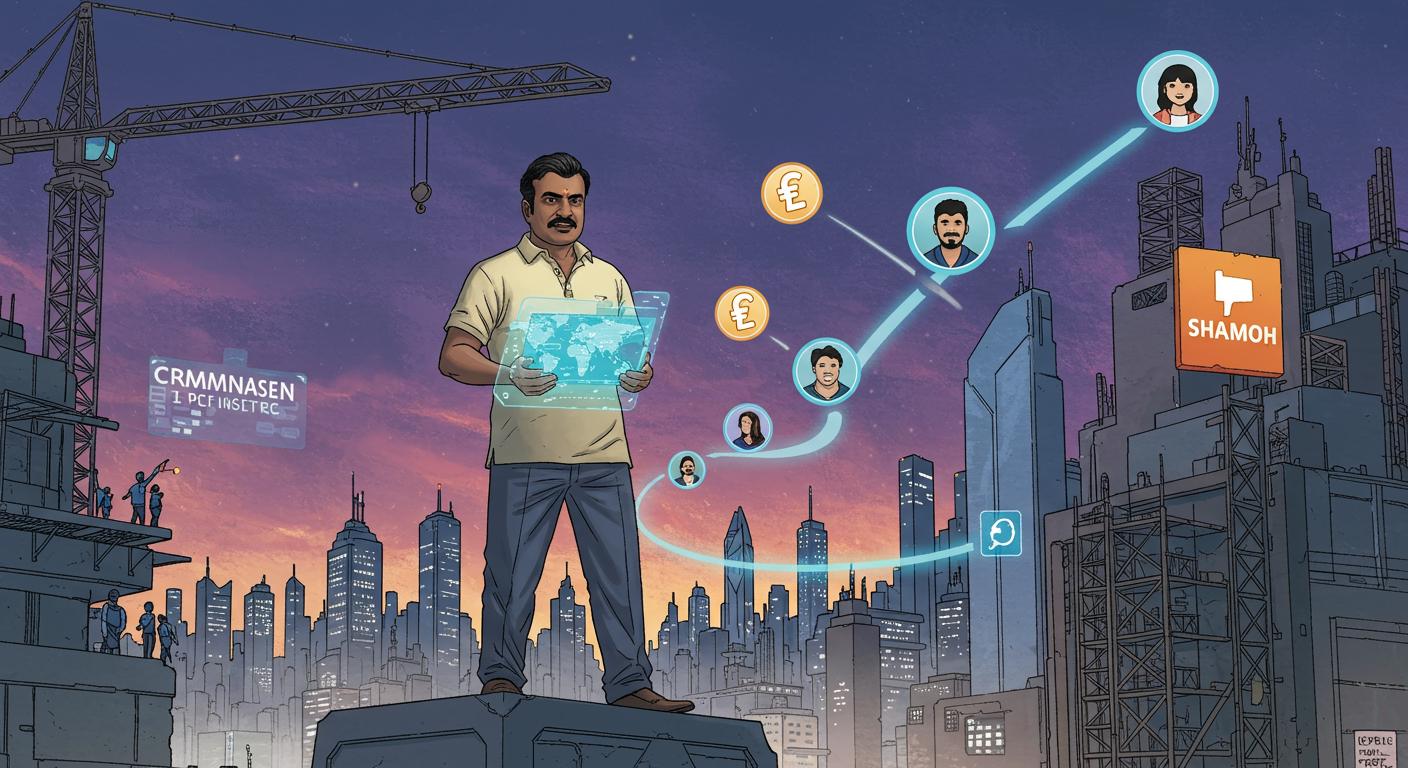
Still, even in the absence of official details, the concept alone is a curious one. Crowdfunding has moved from “help me print my comic book” to “let’s build civilization from scratch” surprisingly quickly. Would a startup nation function like a massive group project that suddenly got out of hand? Or do enough driven idealists with wifi stand a chance at redefining what a country actually is?
The notion isn’t entirely new. Micro-nations have surfaced throughout history, from the self-declared Principality of Sealand to backyard empires around the world. What’s novel—assuming this isn’t all just a speculative tech fever dream—is the scale and seriousness implied. It’s one thing to mint your own coins for fun; quite another to throw a digital hat in the ring of international diplomacy.
History, Hype, and Hypotheticals
Let’s face it: the established procedures for starting a country tend to involve either centuries of history or rather a lot of paperwork. The internet, on the other hand, specializes in shortcutting processes—sometimes to unpredictable results. Would international bodies respond with bemusement, admiration, or polite, diplomatic confusion when presented with a nation founded by donation? Could you successfully run a bureaucracy on Discord, or would an entire parliament meeting get derailed by a meme war?
We don’t have the actual plans, just the alluring headline. But it does raise the question: Is the next phase of digital community-building just a late-stage Kickstarter away from statehood? Or is the real startup nation still best left to fiction and the more outlandish corners of Wikipedia?
If Srinivasan’s proposal ever emerges into the public light—Javascript enabled or not—one suspects the spectacle will be well worth watching, if only to see how many people sign up for the limited-edition postage stamps.