For anyone curious about what happens when historical reenactment meets modern political sensitivities, the latest news from Russia offers an answer with an odd twist. As Novaya Gazeta Europe reports, St. Petersburg’s Artillery Museum recently hosted its annual Night of Museums—a favorite event for local WWII reenactors. But this year, thanks to a museum policy shift, Soviet soldiers found themselves with nothing to do and no one to stage victory over, as organizers barred anyone from wearing Nazi uniforms.
The Standoff That Wasn’t
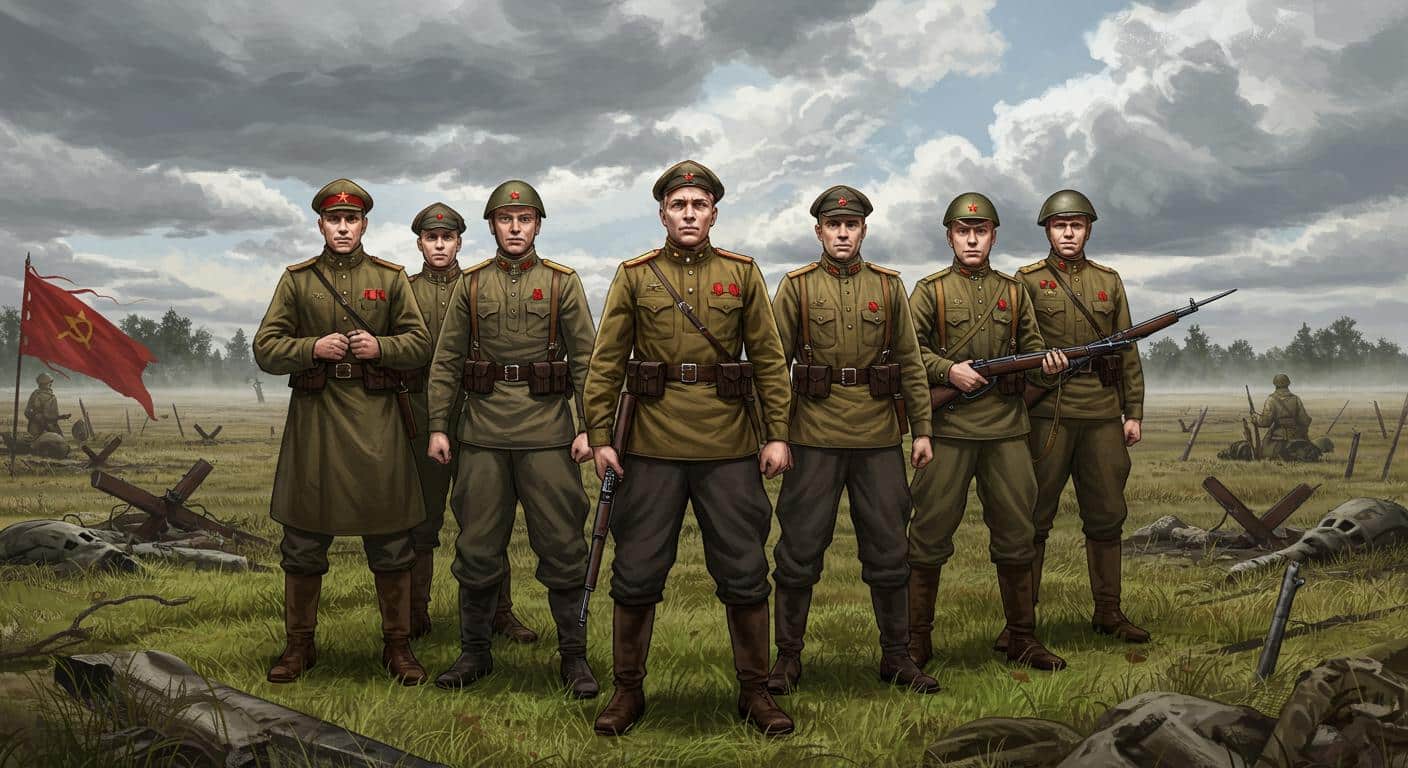
Every May, the museum’s grounds fill up with earnest performers recreating wartime skirmishes—typically the sort of live-action history you can smell (gunpowder, wool uniforms, maybe a hint of theatrical sweat). This time, however, no Wehrmacht uniforms were allowed, and that left the dramatic center of the event conspicuously empty. Novaya Gazeta Europe notes that, in the absence of Nazi adversaries, the Soviet reenactors and their former German counterparts—suddenly recast as Finnish troops—simply sat in their respective camps, drinking tea and chatting. The scene, meant to commemorate heroic wartime exploits, took a sharp left turn into leisurely social hour.
Valery Krylov, head of the museum, commented that he “had no desire to put [German soldiers] on show,” pointing to the current climate surrounding Russia’s war in Ukraine and official messaging about neo-Nazism. In light of President Putin’s declaration of 2025 as the “Year of the Defender of the Fatherland,” Krylov’s stance echoes broader efforts to avoid any public depiction that might be construed as sympathetic to the German side—even in a strictly historical context.
When History is Put on Pause
The notion of a WWII reenactment without Nazis as antagonists lands somewhere between awkward and quietly comic. The core dynamic—the struggle between Soviet and German forces—is history’s most familiar script for these commemorative events. Removing the enemy, as the outlet describes, transformed what’s normally a kinetic, immersive experience into something resembling a politely segregated picnic. Finnish uniforms filled the void, but as recounted in Novaya Gazeta Europe, there was no battle to stage. Just parallel groups, each whiling away the evening in costume.
Are reenactments still ‘reenactments’ if everyone is just lounging and sipping tea? The museum’s approach certainly raises questions about the limits of public history and the role of narrative in national memory. If a reenactment leaves out the awkward bits, are we really revisiting the past, or just playacting nostalgia?
Present Tense, Past Tense
Other countries periodically grapple with how to represent dark chapters of history, but Russia’s version comes with layers of official context. This year’s event, themed “Heroes” in honor of a government proclamation, only reinforces the observation that some stories are being recast to fit the moment. As noted in Novaya Gazeta Europe, the end result was an absence of any staged WWII battles—replaced by Soviet and Finnish reenactors acting out a strangely peaceful, uneventful standoff.
There’s a certain irony here, one that might appeal to the dry-humored: actors prepared for epic scenes of conflict instead found themselves quietly existing in costume, caught between reverence for the past and the dictates of the present. Can historical reenactment survive with the central conflict edited out? Or will future events settle for perfecting the art of staged tea drinking?
For the dedicated World War II cosplayer in Russia, this year’s Night of Museums was less about reliving the charge and more about enduring a studied, highly curated ceasefire—one with plenty of opportunity to ponder which parts of history should, or even can, be left unseen.