Imagine reaching retirement in Quebec, ready for a bit of peace and quiet—only to realize the province might be taking your request a tad too literally. The government’s long-standing policy on hearing aid coverage for seniors provides funding for just one device, effectively offering a monaural soundtrack for the rest of your days. In a detail central to CBC News reporting, this approach has seniors and advocates alike questioning whether “partial hearing” was meant as a government policy or just a punchline.
The One-Ear Wonderland
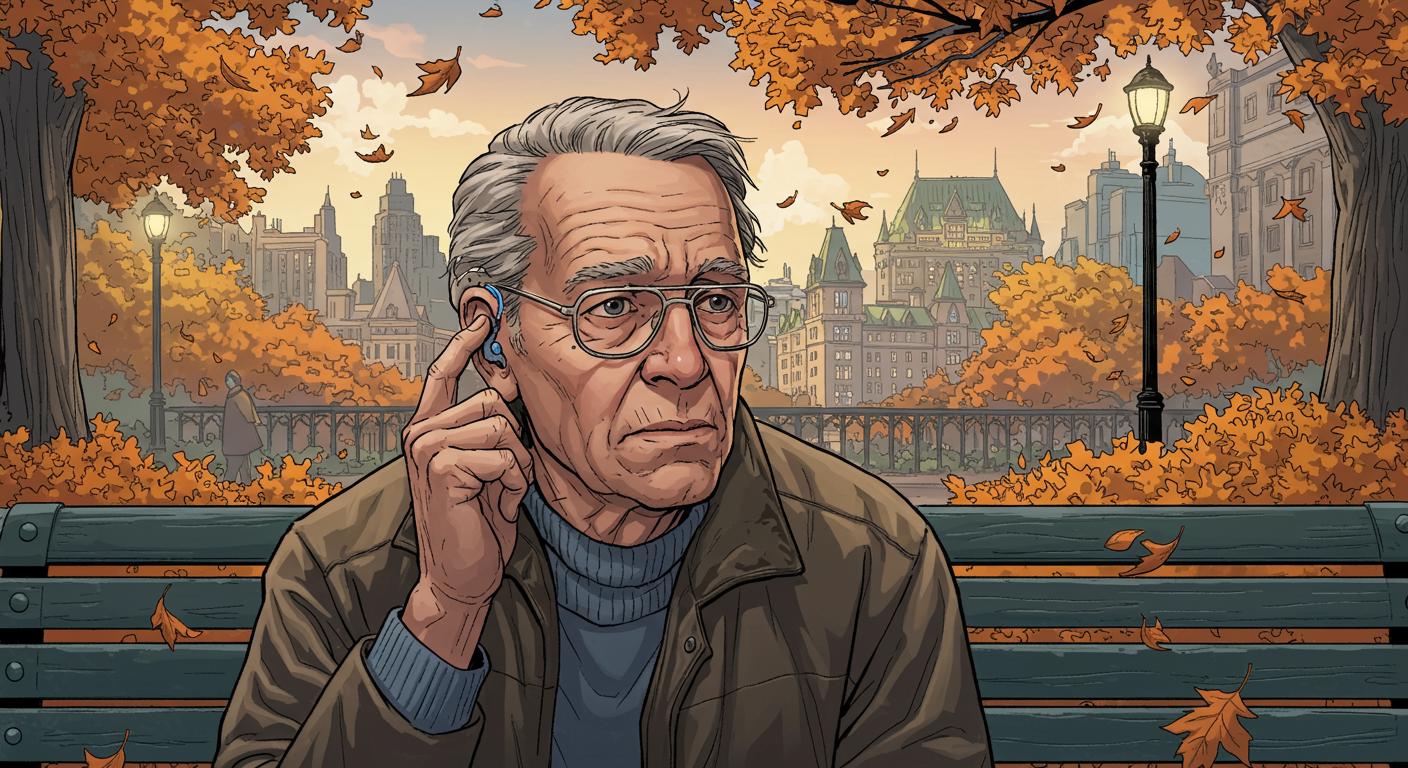
CBC details how Quebec’s Régie de l’assurance maladie du Québec (RAMQ) willingly funds a hearing aid for each ear if you’re under 19, still hitting the books, clocking in at work, or living with a visual impairment. For nearly everyone else—primarily retired and unemployed adults—the generosity stops at one ear. Seniors like Martha Perusse, 71, shared their frustration with CBC, describing the moment she discovered her coverage was halved as “a slap in the face.” For her, and many on fixed incomes, the prospect of forking out another $1,500 just for balanced acoustics strikes a discordant note.
CBC’s reporting features Marina Souranis, who likened the situation to having benefits disappear the moment you step away from work. “It’s bizarre,” she remarked, reflecting on how her coverage for two hearing aids suddenly dropped to one upon retirement. The logic is elusive: the same pair of ears, the same need—somehow, the policy only acknowledges half the equation. Anyone else starting to hear static in the reasoning?
Double Ears, Single Coverage
Audiology experts and advocacy groups aren’t exactly silent on the issue. David Gélinas, at the helm of the Ordre des audioprothésistes du Québec (OAQ), underscored to CBC that “having two ears is not a luxury. It’s just a basic need in terms of hearing correction.” As the outlet documents, the OAQ and Hear Quebec have been urging the province to fund hearing aids for both ears, regardless of age or employment status.
According to CBC, the estimated bill for Quebec, should they embrace binaural commitment: $133 million over five years. Not insignificant, but when you consider the OAQ’s assertion that untreated hearing loss is tangled up with cognitive decline, depression, and falls—issues with heavy costs of their own—the economics feel more like short-term thrift at long-term expense.
Heidy Wager, president of Hear Quebec, offered a particularly apt metaphor: expecting seniors to get by with one hearing aid is “like wearing one prescription glass lens and then still expecting to see properly.” If bureaucratic minimalism had a posting on Craigslist, this would be it: “Gently used policy, only half works.”
“Just Try Ignoring People With One Ear”
CBC’s interviews highlight the social toll. Many seniors are already hesitant to adopt hearing aids, thanks to stigma and the awkward adaptation period—then the province serves up another challenge: only partial coverage. Wager notes that effective hearing aids help keep seniors engaged in community life, while partial assistance risks nudging them further toward isolation. Apparently, supposed efficiencies can echo in some strange and lonely ways.
Perusse, reflecting on her experience to CBC, pointed out that two hearing aids would make it easier to adapt and stick with them, reducing the chance of seniors “falling through the cracks,” as Wager put it. You do have to wonder if RAMQ is working on a similar “one-shoe” plan to round things out.
A Comparative Game of Lows
In what CBC calls a paradox, Quebec stands out as relatively “generous” on hearing aid subsidies—though the bar is astonishingly low. Wager observed that in Ontario, two hearing aids are covered, but with a maximum of just $500 per device, nowhere close to their $1,500 baseline. In most other provinces, only some low-income seniors get any help at all. So, it’s a strange contest: Quebec’s policy is among the best in Canada, yet still leaves many only half-served.
The outlet also notes that Sonia Bélanger, the minister responsible for seniors, didn’t offer a comment, though her office says “modernizing” the funding model is, at least officially, on the drawing board. Whether that means true parity or just a shinier package for the same lopsided deal remains to be heard.
Stereo Sound, Mono Policy
As Perusse put it, “I think people our age should still be considered valuable members of society.” There’s a subtle absurdity in needing to say this out loud, don’t you think? If children, workers, students, and the visually impaired can be trusted with the full range of human hearing, does the ability to locate sound somehow diminish after age 65?
CBC’s reporting ties hearing loss in seniors to increased health system strain—not to mention the quieter but no less real erosion of social connection. Is the plan really about savings, or just about keeping a longstanding quirk on the books? It’s a question that lingers.
The real oddity here: when it comes to hearing, the province is willing to listen—just not all the way. Is it deliberate thrift, bureaucratic inertia, or simply an excellent case study for a future on lopsided policy decisions? Quebec’s seniors wait, listening—at least with one ear—to what happens next.