Some stories in global politics read like a well-worn playbook, but occasionally, there’s an entry so odd it practically demands a double-take. This week’s headliner: Russia’s latest stance on the possible return of McDonald’s. Yes, the future of Big Macs in Moscow is now apparently a matter of statecraft — and, for those paying attention to the peculiar, it’s dense with irony, nostalgia, and a steak of classic post-Soviet humor.
A Fast-Food Divorce (and a Very Russian Rebound)
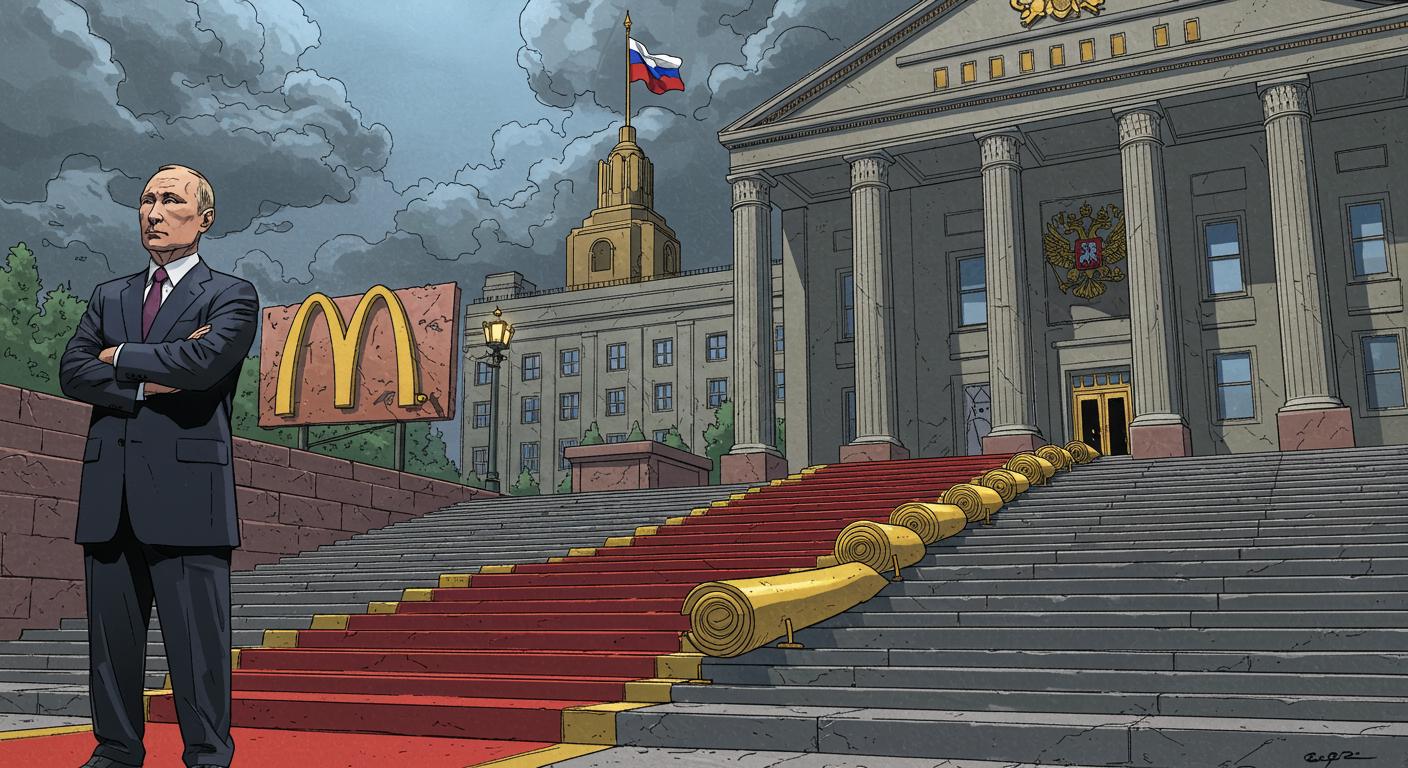
Details described in Global Kashmir lay the scene: President Vladimir Putin has publicly announced that McDonald’s — if it decides to re-enter the Russian market — shouldn’t expect a hero’s welcome. Instead, Putin suggested Russia won’t “roll out the red carpet” for companies wishing to come back after departing due to Western sanctions tied to the Ukraine conflict.
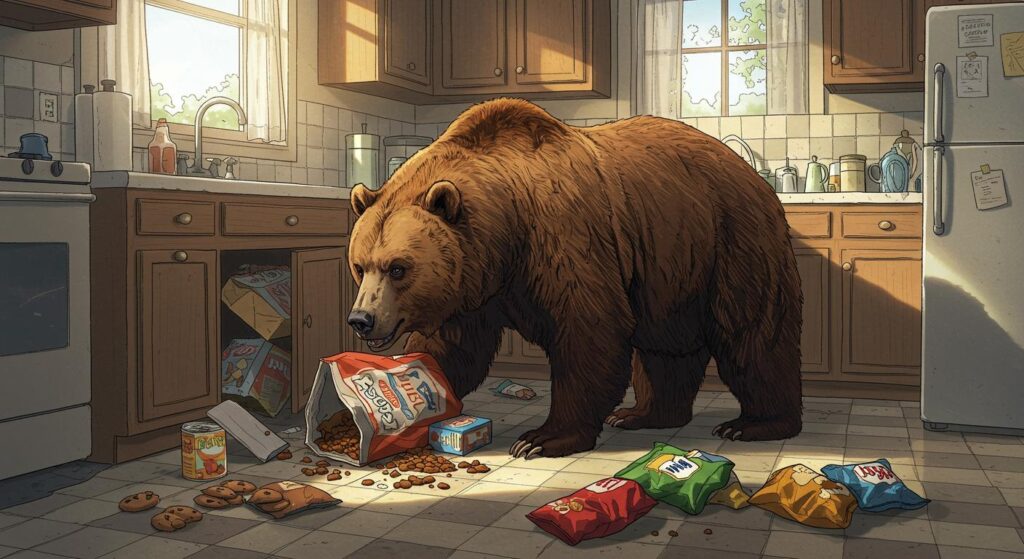
The report also documents that when McDonald’s withdrew in 2022, the company handed over its operations to a Russian business partner, who had already been running a couple dozen franchises in Siberia. No dramatic shuttering, then — just a quiet swap of signage, and Russia’s new culinary flag-bearer, Vkusno i Tochka (“Tasty and That’s It”), slid into the queue. Some McFans might call it déjà chew.
From Arches to Acrimony: Putin’s Order of Business
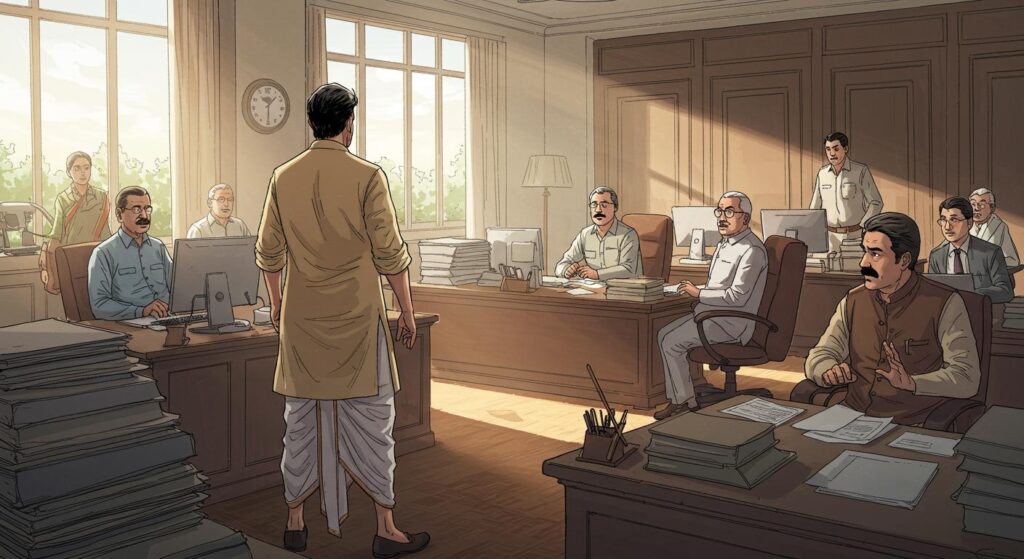
As explained by News18, Putin’s stance seemingly stems from a mix of commercial calculus and wounded pride. At a Kremlin meeting with key business figures, including Vkusno i Tochka’s CEO Oleg Paroyev, Putin reportedly told the gathering: “They (McDonald’s) put everyone in a difficult position, ran away, and now, if they want to come back, are we supposed to roll out the red carpet for them? Of course not.” In a detail further highlighted by the outlet, he’s now instructed his government to create a formal framework for any returning Western business — emphasizing this process should be free of open hostility, but explicitly weighted toward supporting Russian firms.
According to statements chronicled by News18, Putin underlined his commitment to “full government support” for domestic entrepreneurs, assuring them, “There can’t even be any doubts about this. Together with you, we will work through everything, think it through, down to the last detail. But only to our advantage.” In a nod to recent overtures from foreign companies, Putin recounted, “let them come back but make sure it’s on your terms. If it is advantageous for you, let them return. If it works for you, go ahead, if not, we’ll make it so it does. That’s it.” The implication? Deals, not nostalgia, will rule the day — with local interests front and center.
The Fast-Food Front in an Ongoing Cold Shoulder
What’s quietly amusing in all this is the unlikely path from fast-food counter to high-level diplomacy. As referenced throughout News18’s coverage, McDonald’s was never just burgers in Russia; its 1990 opening was a major soft-power moment, drawing crowds eager for a slice of Western culture. Now, the government’s approach reads more like “fool me once, shame on you,” with Vkusno i Tochka standing in as both replacement and reminder.
For those who track history’s odd patterns, it’s telling how a fast-food joint became emblematic of shifting allegiances. Rebranding may have swapped out the golden arches, but the underlying business never really left. The anticipation, it seems, is not if but how the possible return is staged — and who sets the script this time.
Are the days of economic nostalgia — when a cheeseburger could symbolize international openness — officially on ice? Or, in Putin’s Russia, does every business comeback now require a negotiation as detailed as a trade treaty, right down to the bun?
Cold Burgers, Hot Politics
There’s an old saying that all politics is local, but it turns out it can also be drive-thru. It’s hard not to appreciate the understated drama that unfolds when a menu change sparks a policy discussion. What’s perhaps most striking in the reporting from both Global Kashmir and News18 is not the fate of any one company, but the new normal: foreign brands navigating a landscape designed to keep Russian business on top, and international interests delicately unpacked, not unwrapped.
Is McDonald’s destined for a quiet return, its presence just another flavor among many? Or is the era of global uniformity — at least for now — losing ground to local taste and manufactured scarcity? There are no happy meals promised here, just the enduring spectacle of big brands and big politics, forever sharing a booth at the table.