Sometimes American politics surprises you by going forward—self-driving cars, advanced election algorithms, or pizza delivered by drone. Other days, it surprises you by lurching resolutely, if creatively, backwards. Over the past 48 hours, the current debate over immigration enforcement in California has officially entered what can only be called the “colonial craftsmanship” phase.
Rhetoric With Feathers: The Speaker’s Blast From the Past
House Speaker Mike Johnson, always game for a bit of rhetorical showmanship, stirred the pot this week with a throwback flourish. As The Guardian explains, Johnson suggested that Governor Gavin Newsom ought to be “tarred and feathered” for his response to ongoing protests and immigration enforcement operations in Los Angeles. Declining to join former President Trump and border czar Tom Homan in floating arrest for Newsom, Johnson chose, instead, to root his critique in language that predates California’s statehood by several generations.
For those whose American history electives are a little distant, the term “tarred and feathered” refers to a particularly vivid form of colonial punishment. Individuals would be stripped, doused in wood tar, and then covered in feathers—usually to the delight (or horror) of a gathered crowd. While The Guardian and the New York Post both remind us that the phrase now more often denotes public rebuke rather than actual roofing materials and birdwear, Newsom’s reply on social media didn’t miss the chance for ironic theatrics: “Good to know we’re skipping the arrest and going straight for 1700’s style forms of punishment. A fitting threat given the [GOP] want to bring our country back to the 18th century.”
It’s not every day that official U.S. political discourse dusts off a phrase last genuinely in vogue during the age of powdered wigs and musket drills.
Arrests, Lawsuits, and Verbal Sparring
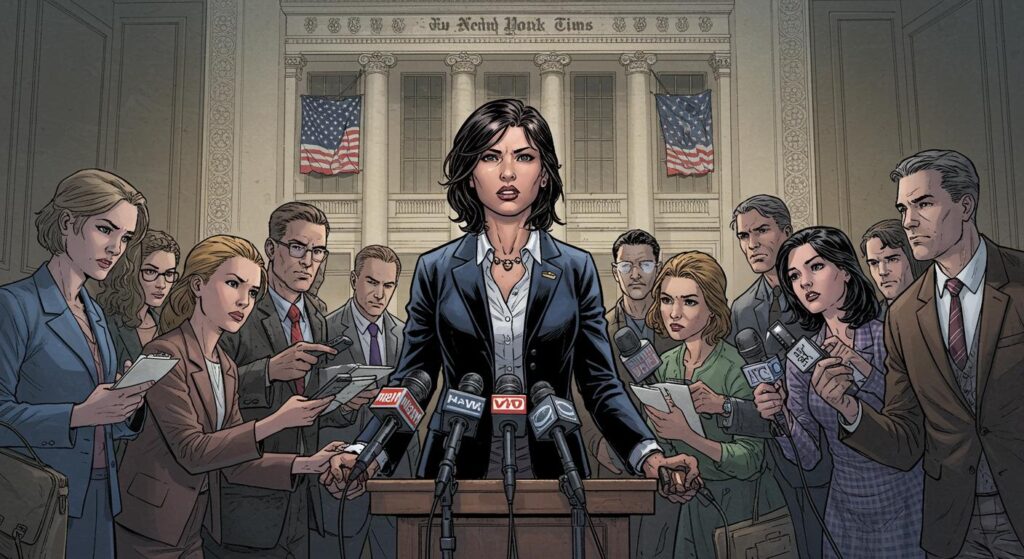
The background context hardly qualifies as slapstick. Los Angeles has experienced several days of unrest in response to Immigration and Customs Enforcement (ICE) raids. President Trump, acting swiftly amidst the disruption, federalized California’s National Guard and ordered in troops, drawing criticism and legal action from Newsom and state Attorney General Rob Bonta. According to the New York Post, Newsom’s team responded with a lawsuit aimed at ending the federalization, accusing the administration of overstepping its bounds.
President Trump, in the meantime, mused to reporters that if he were Tom Homan, he’d have no problem arresting Newsom, asserting, “I like Gavin Newsom. He’s a nice guy. But he’s grossly incompetent.” The outlet also relays Trump’s observation that, “Gavin likes the publicity, but I think it would be a great thing,” with the context being Newsom’s open dare to the administration to go ahead with an arrest.
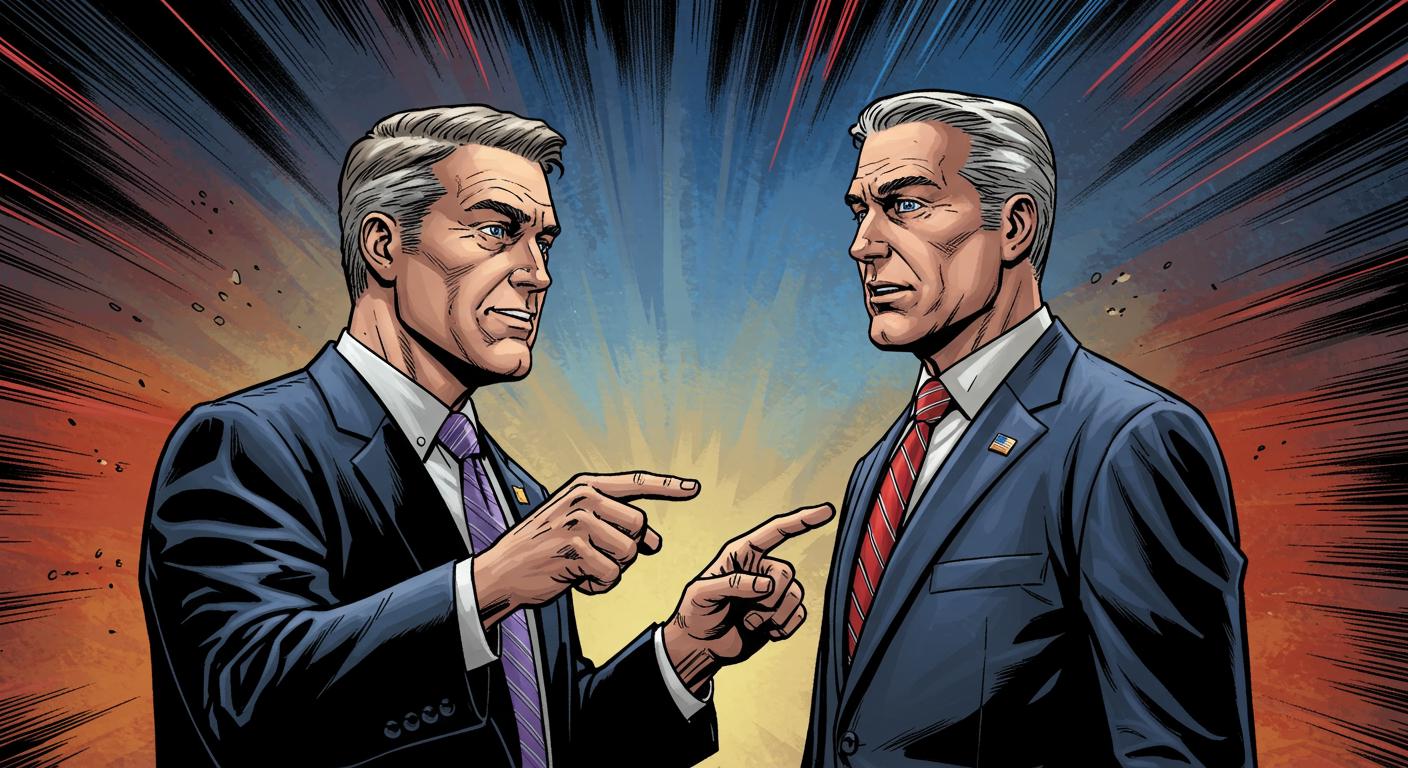
For his part, Newsom greeted the escalating talk with characteristic defiance. Both The Guardian and the New York Post document his retort, “Come after me – arrest me. Let’s just get it over with, tough guy. I don’t give a damn.”
Later, Tom Homan clarified to CBS News, in comments referenced by The Guardian, that there is “no intention to arrest” Newsom at this point, and that any prosecution would hinge on concrete obstruction of federal officers, not simply policy disagreements. Nonetheless, the conversation has remained heavy on legal threats, colonial imagery, and what appears to be a bipartisan taste for brinksmanship.
Theater or Telltale? The Scene on Capitol Hill
This entire episode might read like a cross between a history seminar and a particularly lively open mic night, but the barbs are not left at the metaphorical stage. The summary from NOTUS points out that Speaker Johnson, when pressed, avoided wading into legal specifics. Instead, he trained focus on Newsom’s actions as, “applauding the bad guys and standing in the way of the good guys. He’s a participant and an accomplice.” It’s an escalation—but one more invested in public shaming than courtrooms or jail cells.
As the NOTUS report also documents, this push-pull fits comfortably into the cyclical rituals of federal-state tension, with California often playing the recurring role of political foil. Still, the speed with which entrenched disagreements have slipped into throwback punishments remains something to behold.
Is this just the latest in a long-running performance, or is the window dressing starting to overshadow the actual work of governance? Perhaps this is what happens when American political metaphors spend more time in the museum than the think tank.
Reflection: When Figurative Becomes the Feature
Somewhere underneath the blast of colonial references and litigation threats is a real set of stakes about how federal law interacts with local leadership, especially when it comes to protests and immigration enforcement. Yet, as the rhetorical temperature rises, it’s worth wondering what happens when terms borrowed from Revolutionary-era mob justice become the headline, not just the footnote.
Whether Johnson’s language was intended as historical flair, calculated metaphor, or just a bid for attention, it marks a new level of spectacle. Are we now in an era where political disputes get settled by the theatrical standards of the past? Will trial by dunk tank or the stocks want for a comeback on cable news?
For now, the tongue-in-cheek threat of tar and feathers lingers—less a real danger, more a sign of just how strange, and strangely nostalgic, things can get when the nation’s highest offices settle disputes by reaching for the nearest old-timey reference. What’s next for the American political pageant—and, more pressingly, are there any other relics from the past we should keep under lock and key?