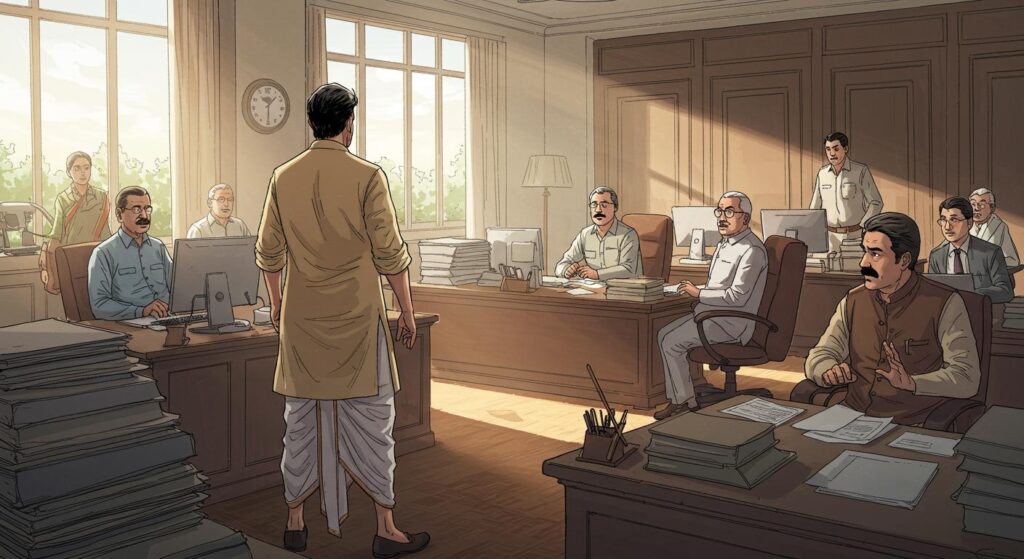
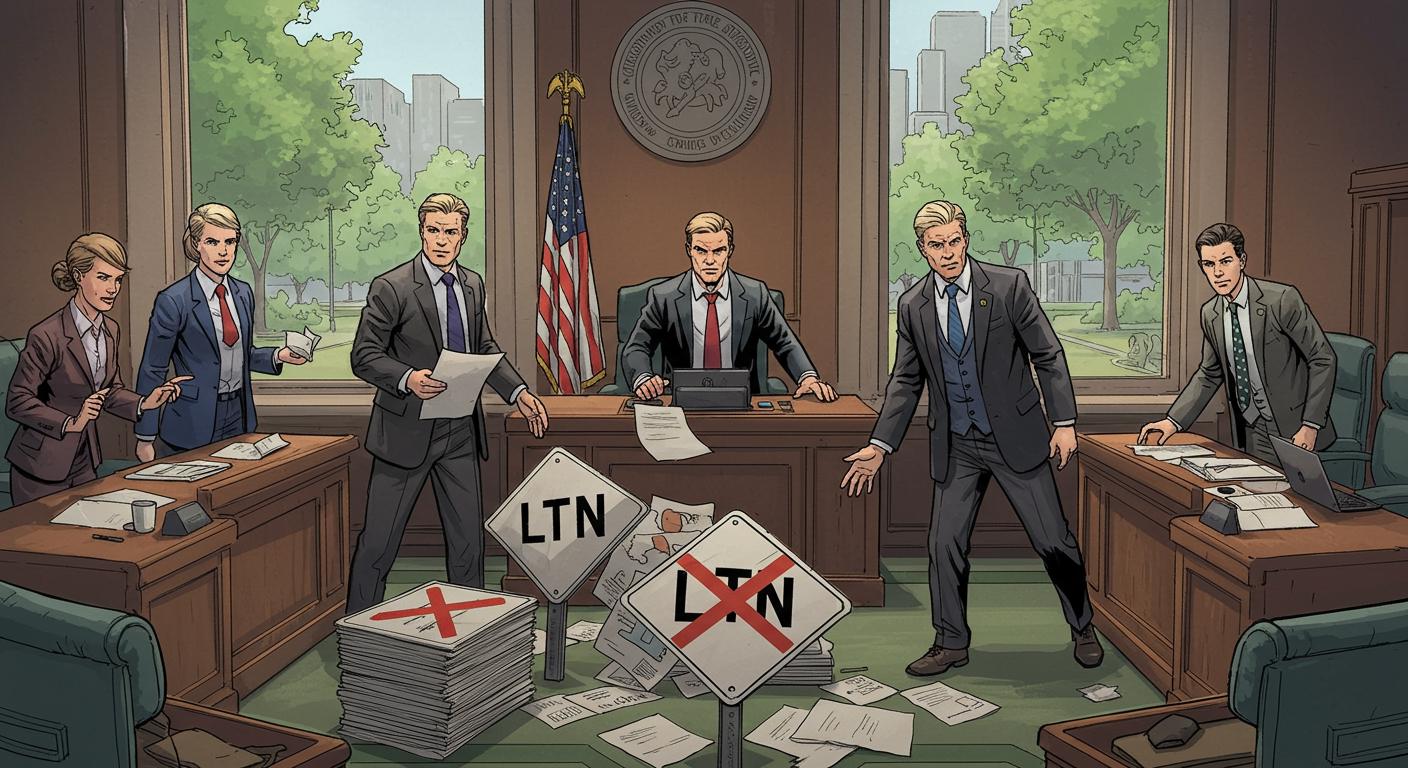
Sometimes, bureaucracy and farce dance so closely together that it’s tough to see where one ends and the other begins. In what might be one of the boldest cases of political sleight of hand in recent memory, Reform UK has proudly delivered on its flagship local election promise: abolishing all low-traffic neighbourhoods (LTNs) in the council areas it controls. There’s just one tiny catch—the LTNs did not, and do not, exist in any of those places.
The Ghost of Traffic Policy Past
According to The Guardian, following their recent electoral gains, Reform UK’s leadership was quick to trumpet a “large-scale reversal” of LTNs in the ten English counties now under their control, a move presented with all the gravitas of a major public safety initiative. The Guardian contacted council leadership in Derbyshire, Doncaster, Durham, Kent, Lancashire, Lincolnshire, North Northamptonshire, Nottinghamshire, Staffordshire, and West Northamptonshire—every single one clarified that no LTNs were in place. One imagines dusty war rooms combed for blueprints of traffic bollards, only to discover the cupboards as bare as the promise itself.
LTNs—those road filters involving planters, bollards, and sometimes a well-placed camera or two—have been intermittent features in the UK, and the wider use of what are known as “modal filters” goes back decades. However, The Guardian notes that the term “LTN” really gained ground post-2020, with the Conservative government encouraging their installation. That rollout was not without controversy, sparking the usual arguments over displaced congestion and local democracy. Still, studies described in The Guardian—including one commissioned by a government notably skeptical of LTNs—found these measures generally worked well and were popular with residents.
Yet, none of these schemes ever found their way into the counties where Reform UK now finds itself in charge. Despite this, party chair Zia Yusuf managed to issue a strongly worded message promising a reversal of “existing” LTNs, likening suspicion about these policies to concerns about mass immigration and net zero initiatives. As The Guardian highlights, this threat apparently loomed over nothing at all.
Who Needs Details When You Have Declarations?
Seeking justification, Reform’s spokespeople pointed to mapping data that, according to the outlet, simply reflected the existence of old-fashioned cul-de-sacs and housing estates—far from the modern modal filtering they staked their campaign on. The Guardian also notes it remains unclear whether Reform intends to open up these longstanding, non-LTN routes to through-traffic, or if the line was more rhetorical than practical. One is left to wonder whether Reform’s next step will be to liberate the good people of Doncaster from the tyranny of the classic British dead-end.
Tied to similar themes, The Guardian also documents Reform’s related vows to axe diversity and net zero-related council jobs. Local responses provide a practical twist—councils such as Lincolnshire confirmed they have no staff in these roles, suggesting that the promise was as close to pre-fulfilled as possible. In a particularly pointed moment, a Liberal Democrat source told The Guardian, “Reform are utterly clueless about how to run a council. From councillors who won’t take up their seats to schemes that don’t exist, it’s clear that they don’t understand the needs of their communities… Now they have some power, they need to learn how to Google things first. Liberal Democrats will be holding Reform’s feet to the fire and standing up for our communities.”
When Victory Is Its Own Punchline
So, what does it mean when a party rallies voters around the elimination of a local nuisance that, according to all available evidence highlighted by The Guardian, never actually existed in the first place? Is it a case of overzealous campaign managers, or is there something more telling about political theater in 2025? Reform UK delivered on its promise, if only because fulfilling it required no tangible action—a paradox as comic as it is revealing.
Commentary within The Guardian—pointing to the resilience, popularity, and effectiveness of LTNs—suggests that, even as political campaigns chase imaginary adversaries, the more genuine policy debates continue elsewhere. There’s a peculiar pleasure in watching the machinery of governance grind to a halt over an invented menace. One can only imagine future campaign leaflets: “We pledge to abolish all dragons in Devon!”—and then, bask in the satisfaction of a job already done.
For those who thrill to politics bordering on the surreal, it’s a reminder to check the map before organizing the search party. How often are policies won and lost—magnificently—on the battlefield of the imaginary?