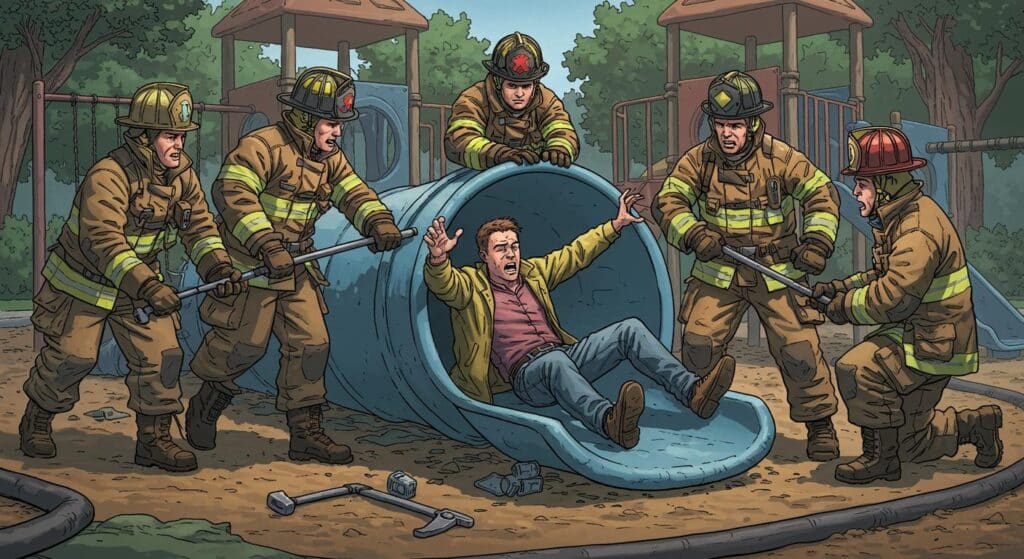
Let’s be honest: Hollywood confessions often drum to a familiar beat. The meteoric rise, the unchecked appetites, and at some point, a darkly memorable crash. Occasionally, though, a detail sneaks into the public record that stands apart—not just odd or colorful, but unmistakably human. That’s where Jason Biggs finds himself: actor, late-night trash diver, and a new footnote in the archive of celebrity admissions that feel more real than myth.
4 a.m., a Trash Bin, and the Relentless Math of Addiction
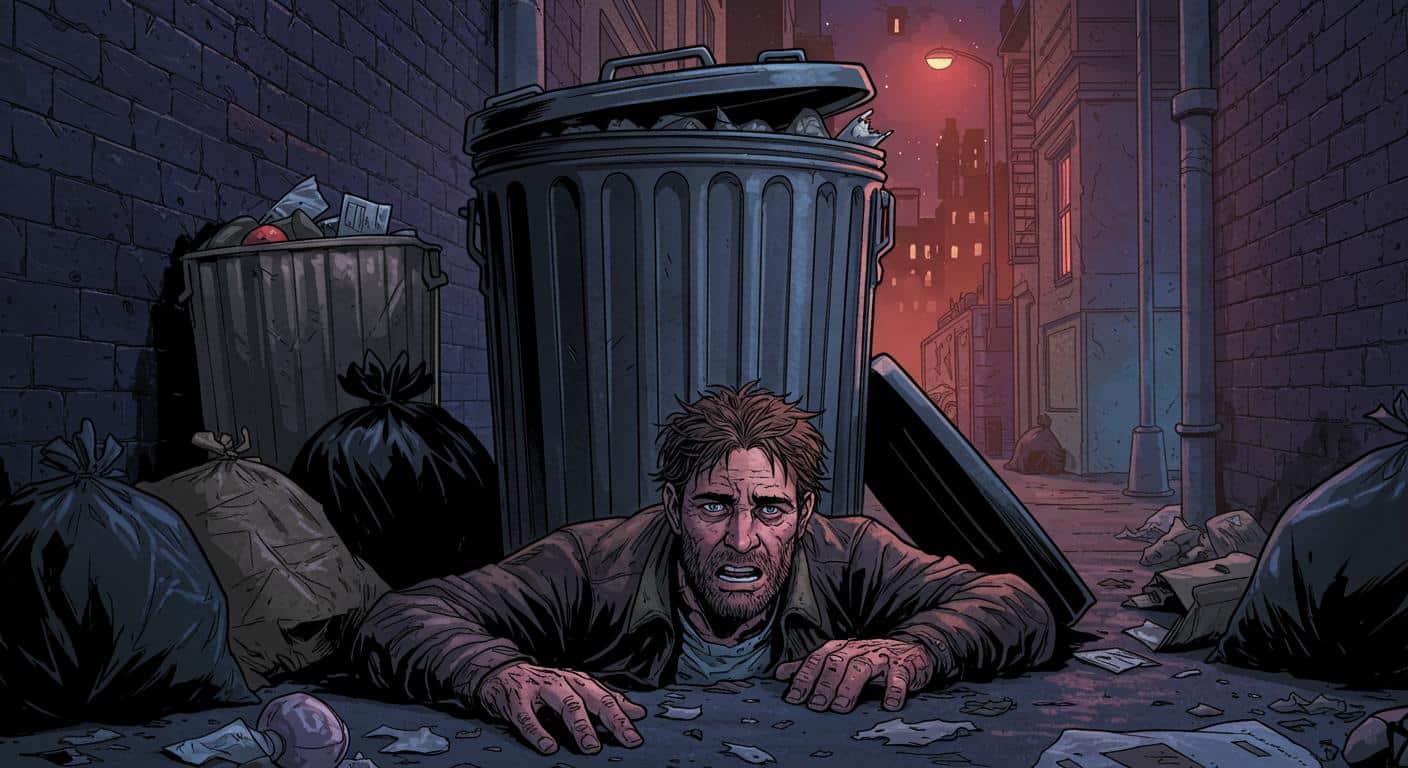
Jason Biggs, once the standard-bearer for awkward American teen comedies, recently revisited the low point of his drug addiction during an interview on the “Well with Arielle Lorre” podcast. As detailed collectively by People, AOL, and the New York Post, Biggs described one of his lowest and strangest moments: desperate to quit, he tossed his remaining cocaine in the household trash in the very early hours, hoping that putting it out of reach would make quitting stick. But within minutes, he was digging through the garbage, retrieving the drugs, and “doing a line.” Attempting the ritual again, he took it outside—this time tossing the remainder in a bin at the curb. The cycle played out once more: “Before I took the Ambien, I was like, ‘One more,’” he told Lorre, describing how he climbed into the outdoor trash bin to fish the baggie back out for another bump, while his wife slept upstairs.
Biggs went on to recount how even this wasn’t the end; as AOL recaps, he once drove down Sunset Boulevard, placed his drugs in a Starbucks cup, disposed of it in a stranger’s trash, then circled back to retrieve them for “one more.” He reflected that he could have flushed the drugs—acknowledging that such an action would have felt “too final”—but he wasn’t actually ready to stop. The loop, as he pointed out, was less about lack of willpower and more about a mind locked in compulsive bargaining. “That was very close to rock bottom,” he admitted, expressing disbelief at the absurdity of these rituals.
Willpower, Isolation, and Geography
While many celebrity addiction stories have dramatic arcs, Biggs’s candor is heavy on the awkward, unflattering middle—the gray area where intention and habit wrestle without clear winners. As noted across the various reports, he links his substance issues to an early brush with fame and an environment where “no one said no” to a 22-year-old with money and no brakes. It’s a scenario prone to excess, but the mechanisms—the cycle of denial and self-persuasion—are almost universal in compulsion, just scaled for different substances and circumstances.
The transition from Los Angeles to New York marked a turning point. According to both People and the New York Post, Biggs credits New York’s energy for providing what he needed to shake loose of the worst patterns. Los Angeles, in his words, amplified his sense of isolation, made sobriety “incredibly fragile.” The move didn’t erase his problems overnight (he relapsed after arriving), but it did ultimately anchor his path to more consistent sobriety. “There’s something about the energy of New York that gives me something, that fills me in a way that Los Angeles couldn’t,” he explained, highlighting the subtle but significant role of environment when it comes to sustaining recovery.
Dancing on the Line Between Absurdity and Empathy
Spelling out a scenario where an actor quite literally dumpster-dives for drugs at 4 a.m. risks turning very real pain into a punchline. Yet Biggs’s willingness to lay out his story without melodrama or self-pity keeps the focus on something more substantial. New York Daily News describes how he summed up his disbelief in the moment: “I was like, ‘What the f–k am I doing? This is absolutely insane.’” The description contains both the absurd and the tragic—an oddly relatable reflection for anyone who has ever outmaneuvered themselves in the pursuit of a bad habit.
What’s striking is not just the chaos, but the monotony of the ritual: dump, declare the end, falter, retrieve, repeat. Whether the trash can is literal or metaphorical, is there anyone who doesn’t recognize the pattern at some level? That sense of rationalizing our way into the very thing we resolved to escape?
The Baggage We Haul (Sometimes Out of the Trash)
All the reporting converges on a kind of quiet inspiration—a sense that even the most humiliating detours can become, eventually, stories you tell in the light. Biggs marks his seven-plus years of sobriety with the kind of humility earned through repetition, not instant epiphany. His journey doesn’t end with spectacle, just a kind of persistent, lived-in effort.
Is it voyeurism or catharsis that draws us to these confessions? Maybe the answer is less important than what remains: an oddly specific, indelible image of human fallibility. To see someone climb back out of a mess—literal or otherwise—has its own plain power.
One can only wonder: what’s your version of the 4 a.m. trash can moment? Sometimes, it’s the strangest snapshots that say the most about what it means to be, stubbornly, human.