For a nation where rice isn’t just a staple but a cultural lodestone—woven into rituals, family tables, and the national identity—the idea that Japan’s agriculture minister would never have to buy rice himself borders on the surreal. Yet that’s exactly the confession that landed Taku Eto in hot water, forcing him to resign this week. In a world of headline-chasing scandals, sometimes it’s the understated, low-key oddities that best capture the disconnect between officials and everyday life.
When a Rice Remark Triggers a Resignation
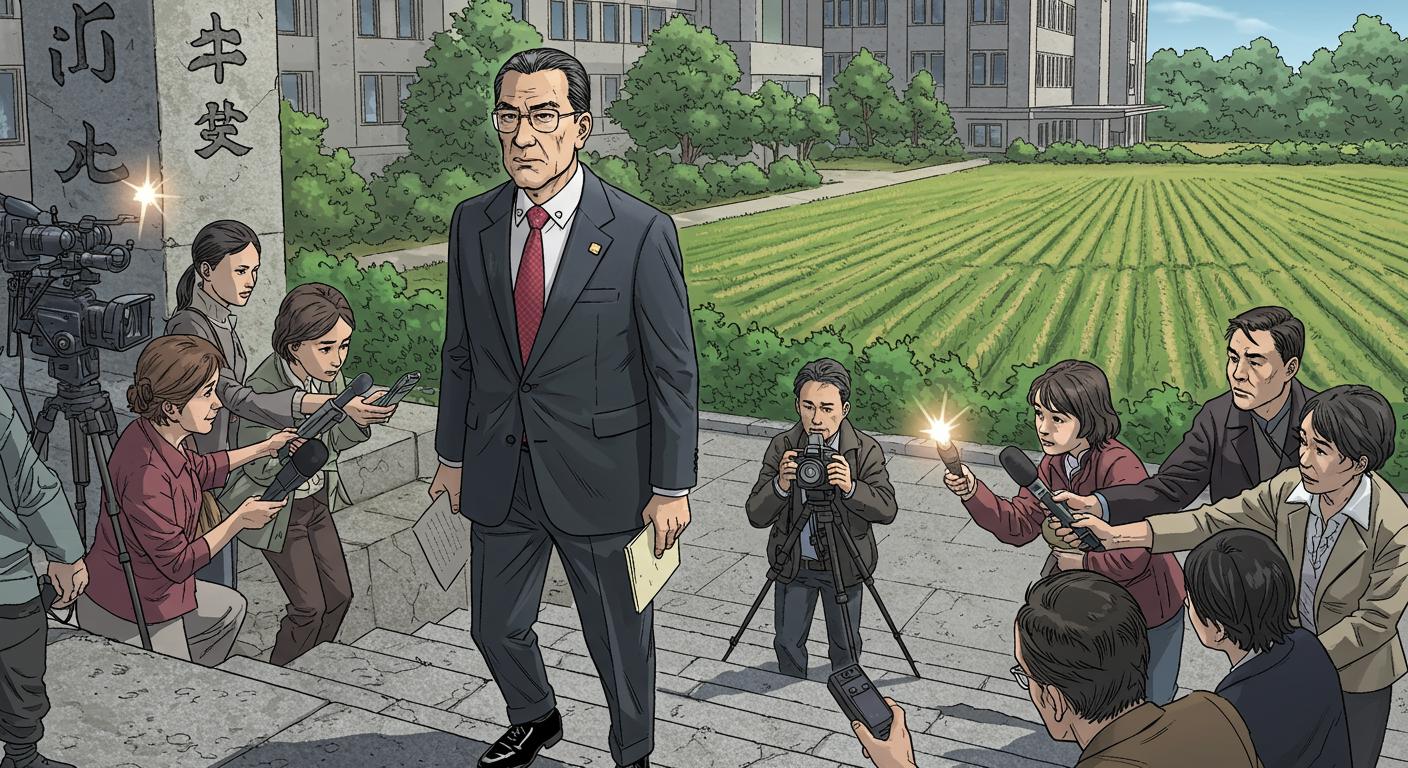
According to NPR, the drama began during a seminar in Saga prefecture, where Minister Eto casually remarked that he “never had to buy rice” because he received it as gifts from supporters. This was hardly the moment for such candor: Japan’s consumers are currently dealing with record-high rice prices and recurring supply headaches, so the optics were, to put it mildly, less than ideal. It didn’t help that national supermarkets have started turning to imported rice, and the government has been offloading tons from emergency stockpiles—yet, as officials told NPR, the distribution issues stubbornly persist.
Eto’s attempt to defuse the situation—claiming he was only referring to brown rice gifts, and that he does buy white rice personally—landed with a muted thud. NPR documents how he explained this nuance in his resignation, suggesting the offhand remark was an effort to promote interest in brown rice, which reaches market shelves faster. Nevertheless, he conceded the timing and substance of his comment were “extremely inappropriate at a time when consumers are struggling with soaring rice prices.” Prime Minister Shigeru Ishiba, facing his own difficulties heading into a July election, swiftly accepted the resignation.
Interestingly, Yahoo News also reported on Eto’s departure, though their coverage mostly reiterated the basic facts without delving into the wider supply issues or public response, highlighting just how quickly the minister’s words triggered official fallout.
Symbolism, Supply, and Public Outcry
The reaction on the ground was immediate and, frankly, pretty understandable. With rice prices rising week to week, the public mood ranged from exasperated to quietly furious. NPR highlights feedback from everyday citizens, such as Shizuko Oshima, who observed, “Rice is the staple food for the Japanese. When its prices are rising every week, (Eto’s) resignation is only natural.” That’s about as pointed as it gets, especially from a public often characterized as patient in the face of official missteps.
All the while, the rice supply itself remains something of a mystery. Officials cited by NPR blame the shortage on a cocktail of hot weather, higher fertilizer costs, and distribution snags ever since government controls lapsed in the 1990s. While the government denies there is now a true shortage—insisting it’s merely a quirk of distribution—some experts quoted in the outlet wonder if a deeper, systemic shortage is afoot, with layers of bureaucracy making the rice’s journey from field to table an incomprehensible puzzle.
Yahoo, for its part, did not address these logistical riddles, underscoring a reality where even coverage of bizarre political events can range from the richly detailed to the briskly superficial.
The Quiet Power of Food Gaffes
If nothing else, Eto’s story is a microcosm of how symbolic foods can upend political careers with the lightest of touches. “Never buy rice” may sound harmless coming from a bureaucrat loaded with gifts, but in a country where rice is as much comfort as nutrition—and at a time of economic squeeze—the remark read as a glaring disconnect. As NPR details, opposition lawmakers were poised to submit a no-confidence motion if Eto didn’t step down voluntarily, further highlighting how seemingly trivial gaffes snowball when the national mood is already tense.
Meanwhile, Prime Minister Ishiba is still touting big-picture reforms: hopes for boosting production, shoring up food security, and maybe even turning Japan into a rice exporter. Whether any of these plans can outpace immediate consumer frustration remains to be seen. NPR notes the government’s struggle to explain why rice fails to reach store shelves, and with the new farm minister likely to be the popular Shinjiro Koizumi (the son of a former prime minister, no less), expectations are suddenly sky-high and oddly granular.
Amid these machinations, one can’t help but marvel at how the most mundane pantry item—rice, of all things—now sits at the epicenter of Japan’s latest political shake-up. How often does a question as simple as “Do you buy your own rice?” shake the pillars of government? The answer, as with so many daily oddities, is: probably more often than we realize.