Sometimes, a story drifts across the newsfeeds that plays out less like a bold tale of adventure and more like a perfectly improbable footnote in the history of migration—one where expectation, bureaucracy, and social media all manage to check in at the same lonely hotel. The saga of an Afrikaner family reportedly stuck in a Montana motel after arriving under U.S. refugee status is one of those quietly remarkable cases where every detail seems to generate more questions than answers.
Montana: Not Quite the Welcome Package
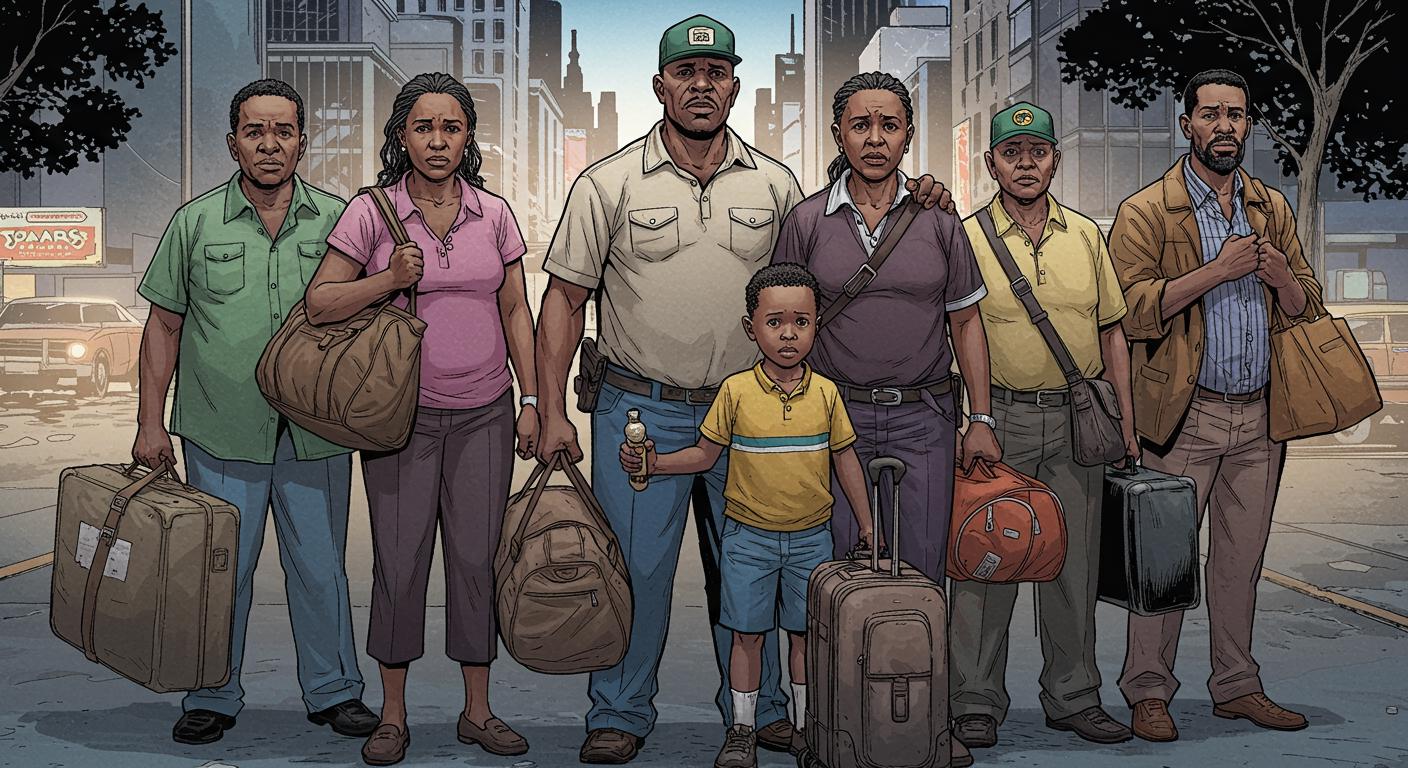
Imagine this: fresh off the plane, a South African family of four stepping into what was billed as sanctuary—only to find themselves adrift in Montana, with dwindling resources and little besides their own optimism, social media, and perhaps a taste for adventure. As detailed by CapeTownEtc, the family entered the United States through a program intensified by an executive order from President Trump, awarding them Priority-2 refugee status. The fine print? Supposed “start-up assistance”—housing, job placement, maybe a touch of healthcare.
But the reality on arrival? Less “American Dream” and more extended-stay purgatory. Footage and commentary shared by TikTok user @catmpt reveals the family’s surprise at not being met with fully furnished homes or job contracts. In her posts, @catmpt notes, “They were understanding that they would be arriving here for complete assistance. People thought they would be arriving at a house, a job, medical insurance, and other things. It isn’t that way at all.” So, what happens when expectation meets administrative inertia?
When Social Media Is the Lifeline
The family’s situation reached public attention not through official channels, but courtesy of TikTok and, soon after, pleas in Facebook groups. If the phrase “digital-age refugee” wasn’t already in your lexicon, perhaps it should be. In a detail highlighted by 2oceansvibe, the stranded newcomers found themselves with “no food, no money, no cellphone… and no clue, apparently,” more reliant on online communities than on programmatic government support.
What’s stranger: even as the public spotlight turned their way, tangible assistance was in short supply. Yet @catmpt, a decade-long expatriate herself, appears as both critic and reluctant humanitarian. She contemplates the “red tape” she and her husband navigated (visa processes, green cards, years of waiting) and contrasts this with newcomers arriving, expecting turnkey solutions. Despite her misgivings, she’s reportedly providing the family with a car, as noted in the same 2oceansvibe piece—proving even the driest commentary can be tempered by a sense of community.
Is there a certain irony in using TikTok—a platform famed for dance challenges—to troubleshoot international relocation crises? If Kafka were alive, would he have found Instagram or TikTok more existentially distressing?
The Oddities and Contradictions of Modern Exile
Dissecting the heart of the matter, both sources converge on that all-too-familiar gap: what is promised and what is delivered. The US Refugee Admissions Programme, as CapeTownEtc explains, offers some support for new arrivals but cautions that comprehensive care isn’t guaranteed. The Department of International Relations and Cooperation (DIRCO) in South Africa made it clear that embassy resources are off-limits for self-declared refugees abroad; the responsibility—and any safety net—rests squarely with American authorities.
DIRCO spokesperson Chrispin Phiri, quoted in the sources, set out the rules plainly: “You can’t be seeking refugee status, then go back home, have a braai, then go back. It defeats the purpose of you being protected and a refugee of a particular country.” For those who decide Montana isn’t the move, organizations such as the UNHCR can assist with voluntary return, but as 2oceansvibe points out, a ticker-tape parade isn’t in the cards; you’d have to officially relinquish that refugee status first.
Does this all point to a persistent mismatch between hope, myth, and reality? Should we be surprised that some arrive in America expecting the sort of convenience-packaged escape that, in truth, barely exists even for the locals?
Refuge, Reality, and the Surreal Middle Ground
Beneath the unexpected TikTok cameos and bureaucratic hurdles, the family’s journey suggests something larger at play—that global migration in the digital age is rarely as linear or well-supported as the brochures or viral stories might lead one to believe. The notion of trading persecution for guaranteed comfort feels oddly quaint in an international system where even basic support can slip through the cracks.
The Afrikaner family’s experience isn’t just about mismatched expectations. It asks, implicitly: How does a world awash in instant information still leave so many adrift? Who manages the boundaries between sanctuary and self-reliance, and how porous should those boundaries be? When the next would-be émigré scrolls through these headlines, will they find a cautionary tale, a roadmap, or just another odd chapter in the sprawling history of relocation gone awry?
Sometimes, the American Dream is just an extended motel stay in Montana—WiFi optional. And in that dissonance, you find the stories that are stranger, and perhaps a bit more human, than any work of fiction.