Inevitably, whenever the dream of cryonics pops up in the news, it’s on the tail end of heartbreak, hope, and, usually, a healthy dose of skepticism. The latest headline comes via KTSM’s reporting, and the details—equal parts tragic and determined—wouldn’t look out of place in a sci-fi script: an Australian actor, Clare McCann, is racing against both time and the limits of modern science, seeking to raise $300,000 to have her 13-year-old son, Atreyu, cryogenically preserved.
A Grief-Fueled Gamble With Science
Based on accounts compiled by KTSM from statements and local media, Atreyu’s death by suicide on May 23 has left Clare McCann fighting on two fronts. Not only has she publicly blamed a culture of unchecked school bullying for her son’s pain, but she’s also launching an extraordinary bid to “preserve his life”—quite literally—by placing his body in the hands of Southern Cryonics, the only such facility in Australia.
The depth of McCann’s devotion is evident in her public statements. She described the loss as stemming from a “moment of unbearable pain,” after what she says were months of relentless, violent bullying at Atreyu’s school. In her appeal to the public, she’s candid about her motivation: a belief that any slim possibility for future revival means her son deserves that chance. Is this the ultimate technological hope, or just a modern rendition of refusing to say goodbye? The question lingers underneath every fundraising update and news feature.
Bureaucracy and Belief
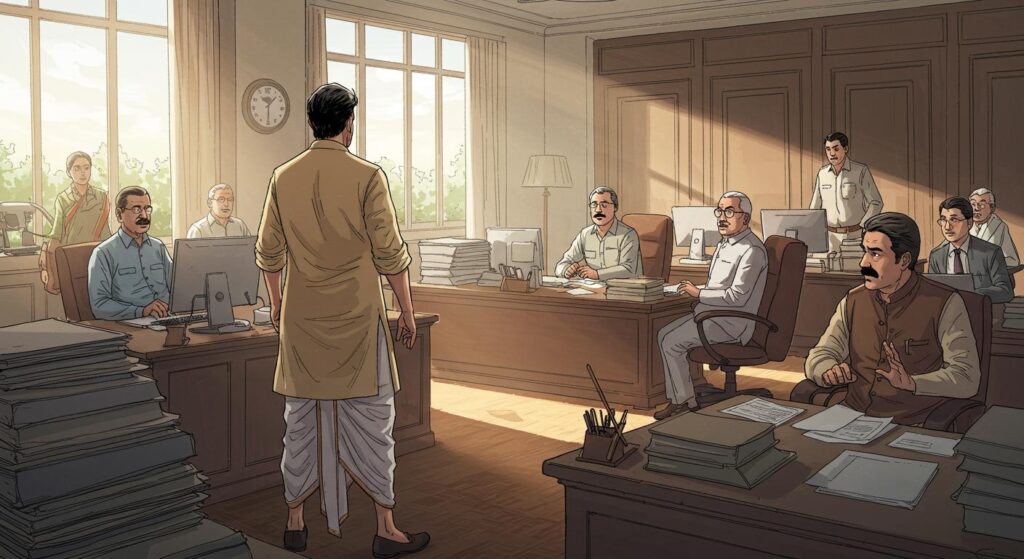
Citing coverage from 7NEWS as described in KTSM’s article, McCann states she repeatedly sought help from school authorities—armed with medical records, psychological evaluations, and even a formal PTSD diagnosis for her son. Emails, according to her, show repeated attempts to sound the alarm, yet she reports a disturbing lack of action or meaningful discipline for those involved. As KTSM notes, a lawsuit has since been filed by the family, alleging the school failed to protect Atreyu from bullying.
On the administrative side, the New South Wales Department of Education responded to inquiries, expressing their devastation over Atreyu’s death and vowing to work with authorities to fully examine circumstances surrounding the tragedy. The outlet further highlights the complex landscape of modern bullying, referencing concerns over digital harassment now amplified by threats like deepfake images and audio.
The Logistics of Ice-Cold Optimism
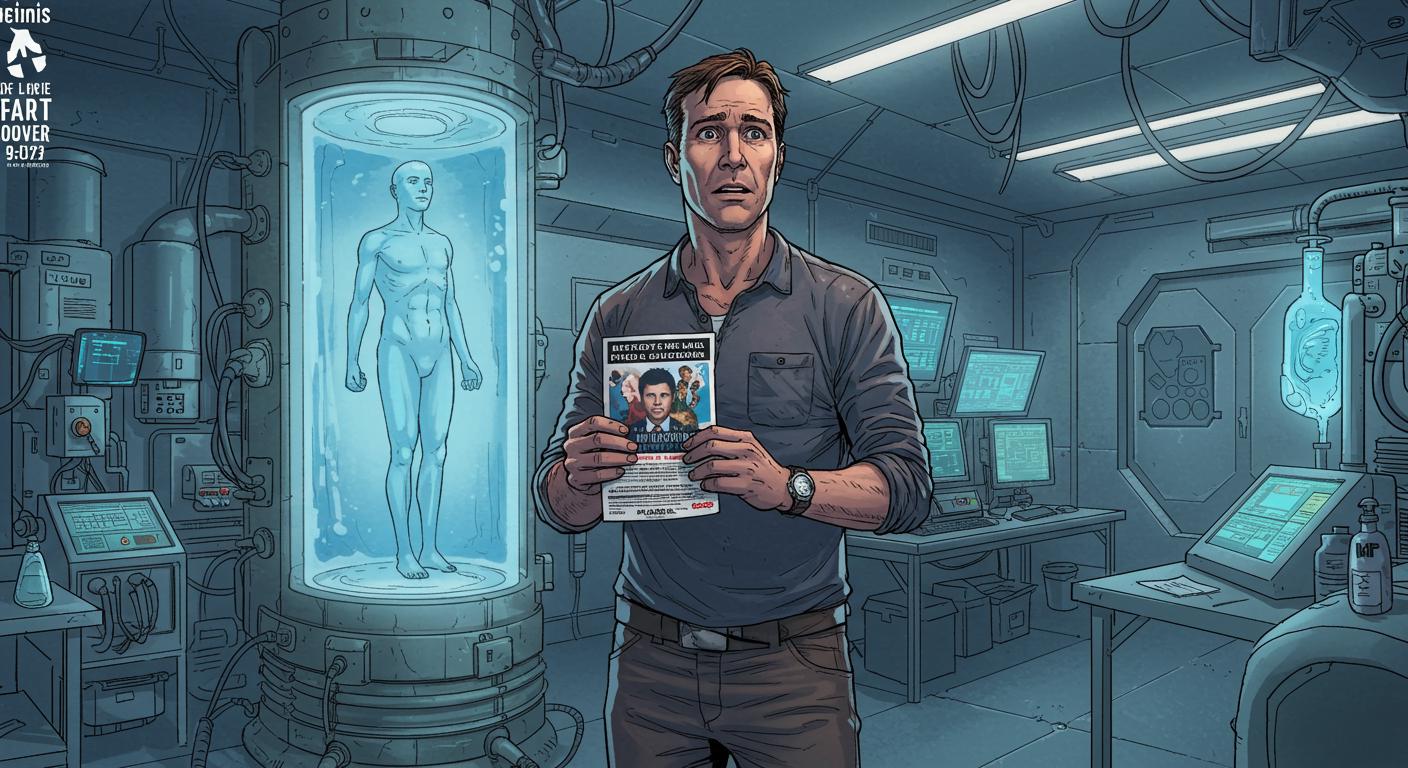
Turning to the technical and philosophical leap at the heart of McCann’s new campaign, KTSM reports that Southern Cryonics agreed to attempt cryogenic preservation for Atreyu, though founder Peter Tsolakides is quick to offer heavy disclaimers: There are “no guarantees,” though he does suggest a “reasonable probability” in theory. The company’s willingness is noteworthy, yet it underscores how much of this process dwells firmly in the realm of experimental science.
The window for any attempt is narrow. In a post highlighted by KTSM, McCann wrote that Atreyu’s body would need to be frozen within seven days of his death; failing that, whatever faint hope science might eventually provide would vanish. As of last Friday, her GoFundMe campaign had gathered under $16,000 of the $300,000 needed—barely an initial chill compared to the daunting sum required.
New Rituals for Old Griefs
None of this is remotely straightforward. The majority of grieving families don’t instinctively leap to the idea of cryonics—but perhaps that’s what makes Clare McCann’s story both so extraordinary and so telling about our era. Technology is infiltrating not just the boundaries of life and death, but the very ways in which we choose to mourn, or refuse to. The wish to sidestep mortality is as old as myth itself, but now those dreams have a price tag and a processing timeline.
Where does this go from here? Will crowdfunding for speculative preservation become a new sort of ritual, coexisting uneasily alongside medical bill drives and memorial funds? Or is this a singular, deeply personal, desperate act by a mother unwilling to accept the timeline set by society and science?
Ultimately, as KTSM’s reporting and the related accounts make clear, this story is at once a public stand against bullying and a surreal bet on the future—a cold hope, literally and figuratively. Sometimes, stories like these prompt us to question not just the possible, but the necessary: What would any of us reach for at the very edge of loss, if given even the faintest glimmer of a second chance?