Sometimes the intersection of American pageantry, online outrage, and graffiti is less a crossroads and more of a multi-vehicle pileup. As outlined in a report from USA TODAY, an Army promotional video designed to build anticipation for its 250th anniversary parade in Washington, D.C. was quietly removed from public view this weekend. The catalyst? An unmissable chunk of spray paint on a train car, spelling out “Hang Fauci & Bill Gates,” turning an otherwise standard military logistics post into something altogether more peculiar.
Parade Prep, With a Graffiti Plot Twist
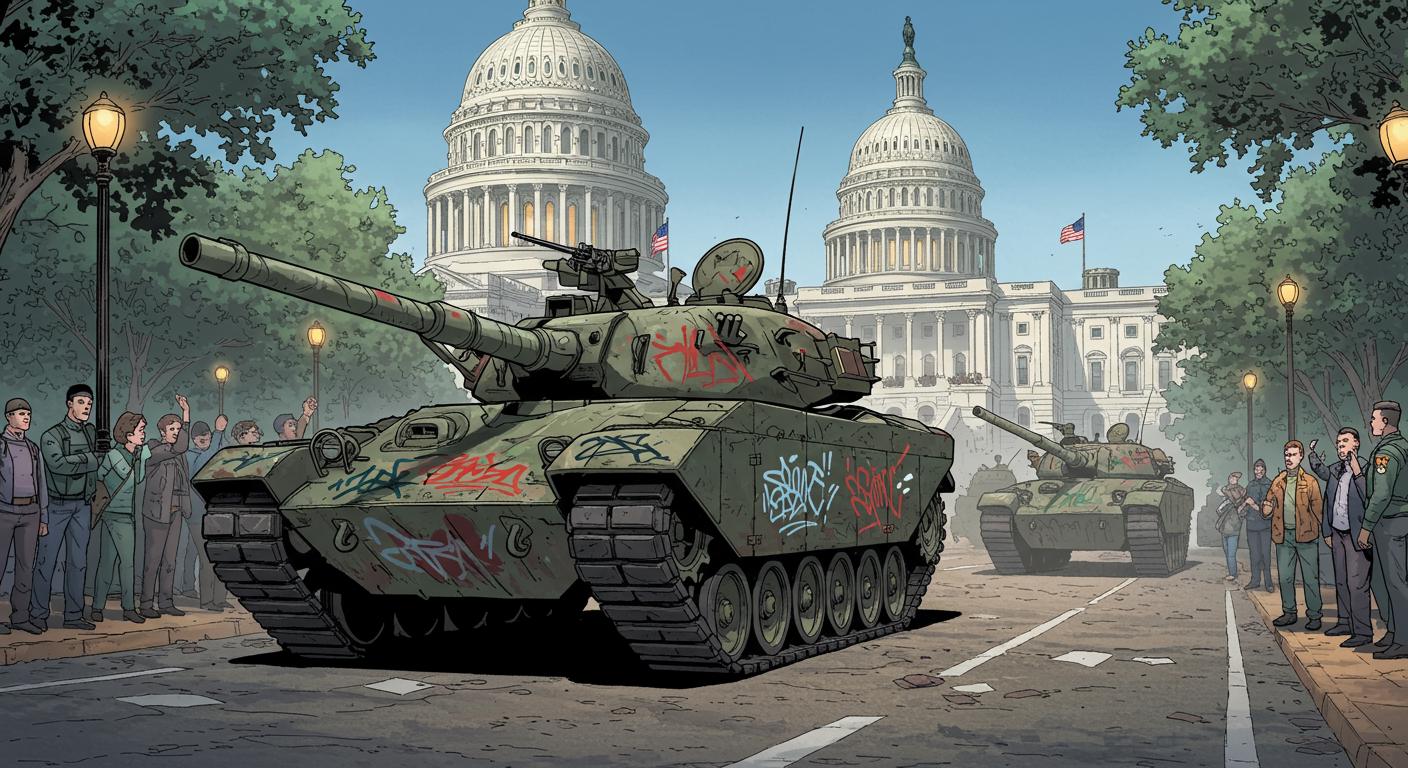
Footage reviewed by USA TODAY captured an M1A2 Abrams tank—70 tons of olive-drab pageantry—rolling up onto a train car at Fort Cavazos, Texas, bound for D.C. to join the upcoming display of military might. Prominently displayed on the Department of Defense–marked train car, however, was not just defensive hardware, but an unsolicited, threatening message directed at Dr. Anthony Fauci and Bill Gates.
When questioned, Steve Warren, an Army spokesperson, confirmed to USA TODAY that there would be no formal search for the mystery vandal. He explained, “We removed the post once notified of graffiti on the train that didn’t align with Army values.” Warren went on to reiterate the Army’s focus on celebrating its quarter-millennial milestone, firmly steering conversation back to the upcoming festivities.
The outlet also notes that rather than issue stern rebukes or initiate investigations, the Army simply scrubbed the post—digital wite-out as crisis management. There’s an almost performative neatness to the whole episode, as if quietly editing out the offending frames is, in itself, a return to order. But does quietly deleting the evidence ever truly make it disappear? Or is it simply the fastest track to internet immortality?
Of Parades, Birthdays, and Unwelcome Messages
USA TODAY goes on to detail the scale and scope of the parade: 28 tanks and over two dozen armored vehicles are crossing the country for this event, along with 7,000 soldiers scheduled to descend on Washington. The tanks, after unloading in Jessup, Maryland on June 9, will be gingerly transported—by truck rather than track—into the city to minimize the carnage to D.C.’s long-suffering streets. Officials told USA TODAY that steel plates are being installed at critical street turns, hoping to spare the asphalt from the wrath of military engineering. Washington Mayor Muriel Bowser, as earlier noted in the report, remains vocally anxious about possible road damage.
USA TODAY highlights that June 14—the parade’s date—coincides with President Donald Trump’s birthday. The alignment has drawn a sidelong glance from critics, in part because Trump’s first-term push for a similar show of force fizzled after blowback from local politicians and wrangling over cost. This time around, the parade is projected to carry a $40 million price tag, with a side of historic warplanes, helicopters, and parachutists.
As described in the outlet’s report, Fauci and Gates are no strangers to public suspicion, particularly among Trump supporters. Fauci, well known for leading the government’s pandemic response, became a lightning rod for conspiracy theories and outright threats. He has repeatedly stated, including in a 2024 interview with USA TODAY, that he fears for his safety. Meanwhile, Gates’ philanthropic work on vaccines has inspired its own breed of tall tales online; notions about microchips in shots have been circulating in certain corners of the internet ever since. Both men have served, somewhat involuntarily, as recurring antagonists in the fever dreams of pandemic-era politics.
Out of Sight, but Not Quite Erased
Earlier in the USA TODAY story, it’s mentioned that there are no plans to investigate who painted the message, no press conference, and certainly no search for a rogue train-yard Banksy. Just a discreet swipe of the digital mop and a brisk march forward with the party planning.
It’s not hard to imagine that somewhere, screenshots of the scrubbed footage are already making the rounds, destined for the internet’s Museum of Accidental Revelations. The entire affair, oddly fitting for a celebration of history, serves as a reminder that no matter how carefully choreographed the show, there’s always room for the unscripted—sometimes in the form of an errant spray can.
So what lingers after the video’s quiet erasure? Is the attempt to blot out a visible mistake the only thing that remains truly old-fashioned? Or does every parade, no matter how meticulously planned, wind up hosting a bit of unexpected chaos? With the tanks moving toward D.C., the show will roll on—all while, somewhere in the seldom-visited archives of parade lore, a bit of banned graffiti continues to echo, more as an awkward sidebar than a headline scandal.