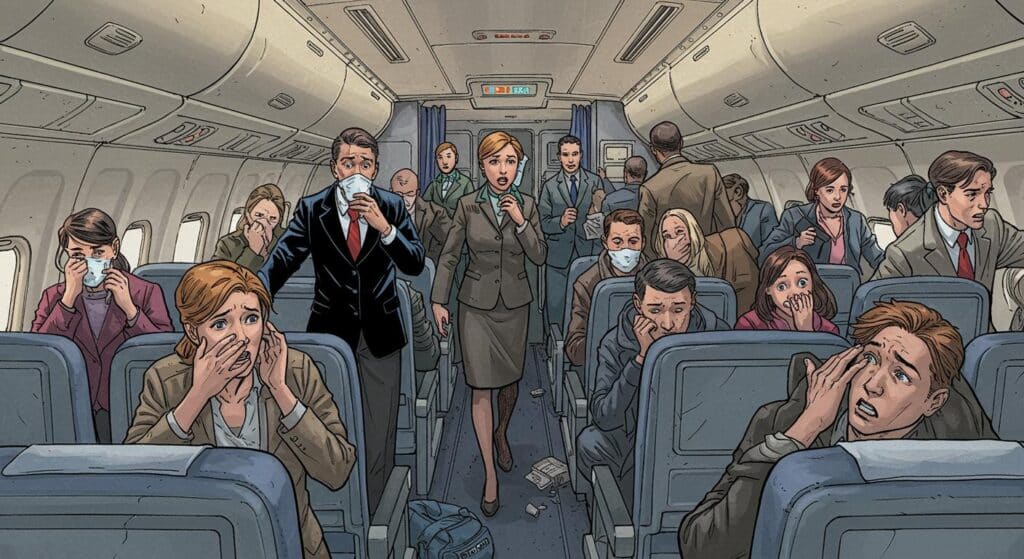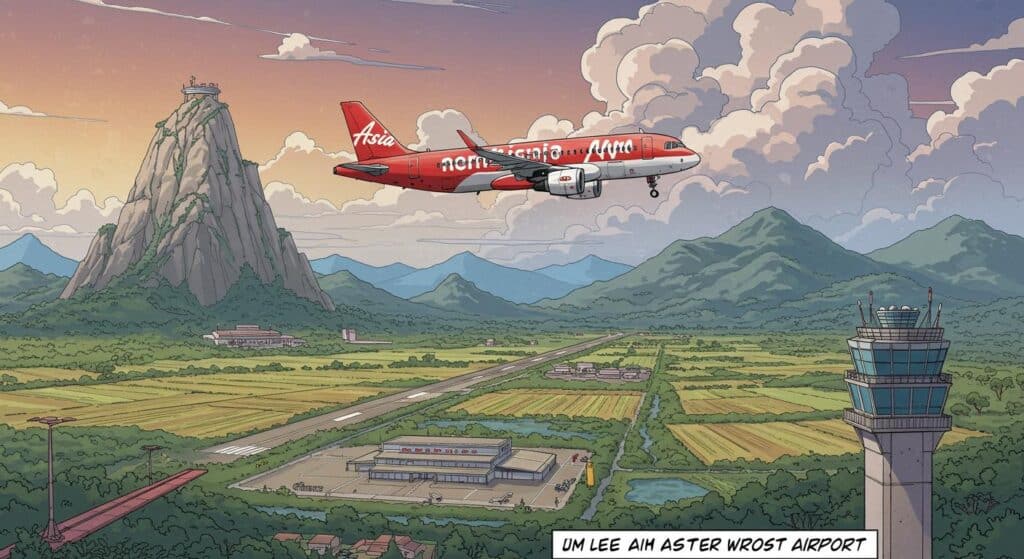
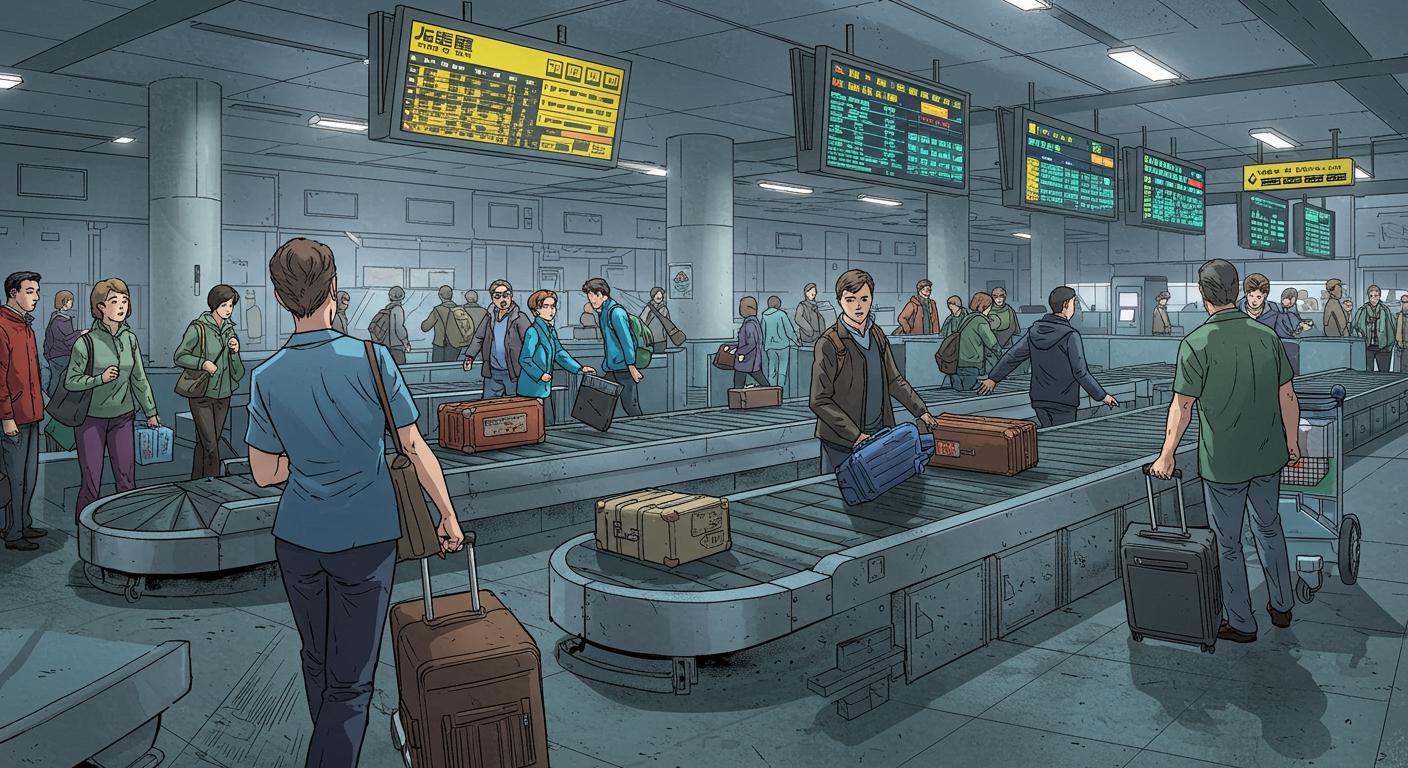
There are certain things in life we learn to accept, with a quiet sigh and an extra set of socks in the carry-on: the near-inevitability of lost luggage when flying. Yet, quietly humming along in Osaka Bay, Kansai International Airport is doing its best to upend that grim expectation. As first brought to attention by Oddity Central, Kansai reportedly hasn’t lost a single bag since opening in September of 1994—a streak that feels almost mythological, but is continually affirmed by other outlets.
The Meticulous Machine Behind the Miracle
Diving into the details, My Modern Met documents how this feat isn’t accomplished through technological wizardry, but rather from “daily efforts and careful work of everyone involved, including airlines and handling companies,” as described in a 2024 airport statement. These efforts manifest in a multilayered, manual-heavy system: staff members conduct overlapping checks at every step, verifying that the number of bags loaded matches the number that land. If something goes astray, a prompt search gets underway, whether that means combing the plane’s hold or the sorting rooms.
A major profile in Nikkei Asia, summarized by My Modern Met, highlights the airport’s practice of maintaining detailed manuals—complete with rules tailored to each airline. According to a manager for CKTS, one of the airport’s operators, this level of procedural precision means staff are always ready with the appropriate protocol, no matter which carrier is involved. The cumulative effect: every piece of luggage is expected to reach the baggage claim within 15 minutes of arrival—part routine, part ritual.
A Different Universe of Air Travel
To put this streak into perspective, My Modern Met reports that U.S. airlines lose roughly 3 million bags per year, per the Bureau of Transportation. The contrast is dizzying. The airport itself estimates serving 28 million passengers annually, with about 10 million bags handled in the 2023 fiscal year; during this time, Kansai’s spotless record hasn’t gone unnoticed. Skytrax, a U.K.-based aviation research company, has named Kansai the world’s best for baggage delivery—a distinction it has earned eight times.
Grouping these facts together, it’s clear that Kansai’s “manual culture” is not just bureaucracy for its own sake, but a carefully cultivated bulwark against chaos. Is it possible this determined thoroughness is the last, paper-based holdout in an era of lost socks and vanished toothbrushes?
Order Amid the Chaos
As detailed in My Modern Met, the real challenge may be just ahead: the World Expo launched in Osaka in April 2025, with soaring visitor numbers predicted. That means millions of additional suitcases to shepherd. In a detail highlighted by My Modern Met, Tsuyoshi Habuta—overseeing baggage operations for one of Kansai’s handling companies—told NPR that he expects significant growth in passengers and aims for the airport to remain “an exciting, active, vitalized place for everyone to come and use.”
Against the backdrop of perpetual travel chaos elsewhere, Kansai’s approach seems quietly radical. In most of the world, travelers have resigned themselves to packing spare essentials in the carry-on and perfecting their patient stare at the luggage carousel. At Kansai, by contrast, it’s the reliability that stands out: the absence of lost bags, an ongoing streak sustained by almost obsessive attention to process.
Is all this the result of cultural priorities, deeply ingrained hospitality, or simple, collective stubbornness? Perhaps a mix. But as airports everywhere brace for yet another season of frayed nerves, Kansai’s thirty-year run stands as a gentle reminder that a checked bag doesn’t have to be a leap of faith. Just maybe, the strangest part of all is that, in Osaka, reliability is what feels truly out of the ordinary.