There are moments in life where an encounter with nature feels worthy of a social media slow-motion montage—majestic animals, tranquil scenes, and you, a benevolent visitor, extending a sandwich across the species divide. Sometimes, however, the starring creature in this riverside reverie turns out to be less of a national mascot and more… well, rodential.
A Classic Case of Mistaken (Animal) Identity
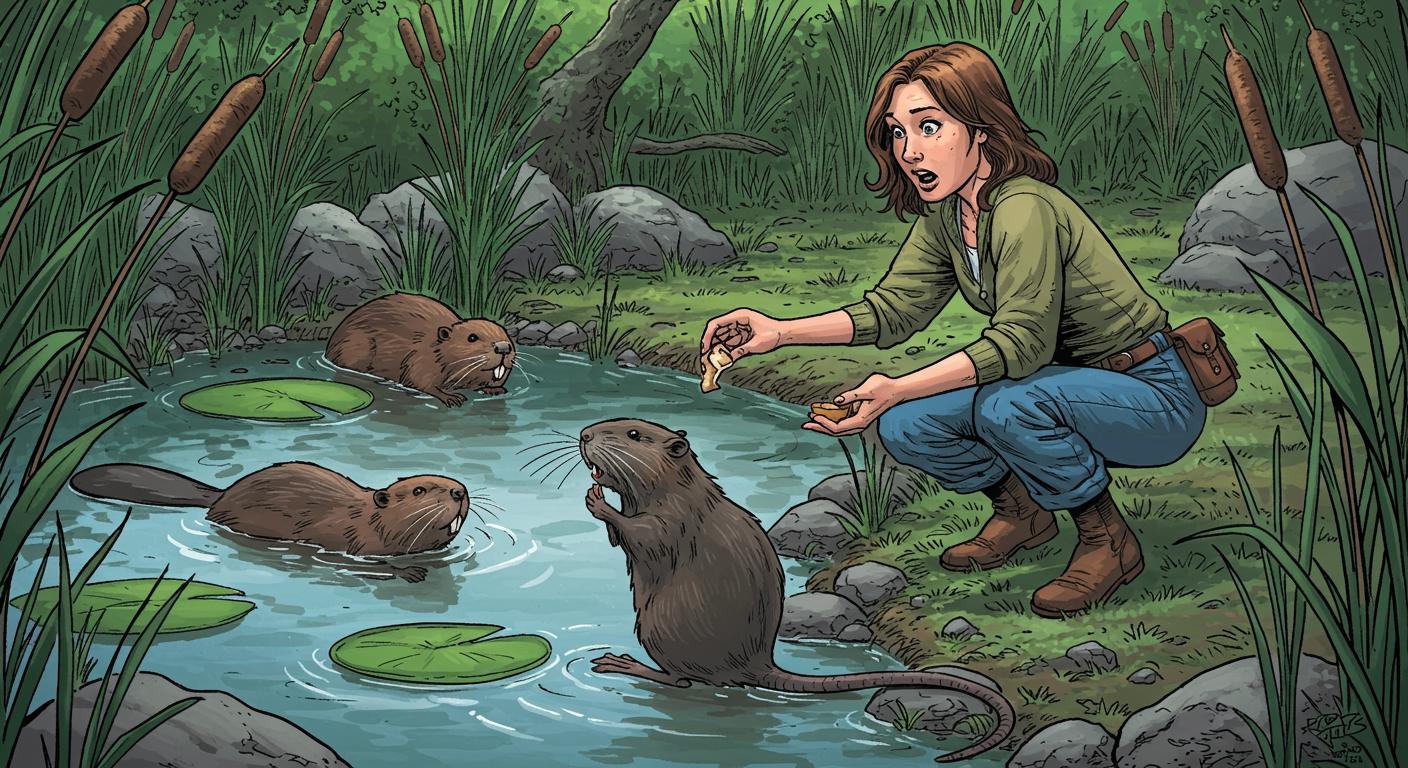
The riverside tale begins with Nisse Sharma, a TikToker on a Prague adventure. While exploring the local riverbanks—a classic backdrop for brushes with European wildlife—Sharma spotted what appeared to be a cheerful beaver. Brimming with goodwill and, perhaps, visions shaped by years of beaver-friendly depictions in pop culture, she offered the animal some sandwich fragments.
As detailed by Wide Open Spaces, Sharma recalled, “I traveled to Prague for a trip to explore the city a bit more as I’ve been a few times, but I had never walked down near the river banks. This time I decided to take a walk down the river banks up to the water and saw the animal coming close to the rocks where people can stand.” Convinced by its looks and the fact that it lived near the river, she assumed it was safe—and beaverly—to offer food.
Weeks later, the family video review session prompted her parents to gently correct her: the water-loving creature wasn’t a beaver at all, but a nutria—also known as a water rat or river rat in some circles. The outlet recounts Sharma’s surprise upon this discovery and notes her good-natured response to the mix-up.
Romanticizing Rodents and the Beaver PR Problem
It’s hard not to appreciate the universality of Sharma’s honest mistake. On reflecting about her riverside companion, she admitted, “I assumed it was a beaver as to me it looks pretty similar and I don’t know much about beavers apart from that they live in rivers.” Considering most people’s knowledge of aquatic rodents, the leap from “cute riverbank animal” to “beaver” is fairly standard. Animated childhood beavers have a lot to answer for when it comes to our expectations.
Yet, as the story unfolds, Sharma later researched her would-be beaver friend, discovering that real beavers are not quite as approachable as their on-screen counterparts. The report explains that Sharma was surprised to learn that beavers are “actually quite hostile and can be dangerous,” while nutria, so often cast as ecological nuisances (and, as the article notes, targeted as pests in the U.S.), tend toward a friendlier disposition.
One has to wonder if this is simply a branding issue among rodents. Could a nutria-themed cartoon have made all the difference? What other wild stories hide behind the assumptions we carry from media portrayals?
Of Sandwiches, Serendipity, and Secondhand Rodent Encounters
What stands out in this account is Sharma’s own wry sense of humor. Rather than deleting the footage or pretending the error never happened, she embraced the situation and reflected on the instincts and social impressions that led her to feed a supposedly friendly beaver. The outlet also highlights that Sharma found the real-life rodent far less intimidating than its reputation: “Most people would hesitate to get close to a rodent such as the one in the video due to them having a bad image but it was super friendly,” she remarked.
Nestled amongst the sandwich crumbs, there’s a gentle lesson: sometimes, the creatures we’re taught to overlook or even fear can be surprisingly good company, while so-called beloved symbols might be less approachable than assumed. Is it possible the next viral animal video will have us all questioning which animals truly deserve their reputations?
Reflections from the Riverbank
If anything, Sharma’s story suggests that not every animal encounter is as clear-cut as we expect. Real wildlife resists easy categorization, and sometimes our fondest riverside memories are made possible by a little ignorance and a lot of accidental openness.
So next time you’re riverside, sandwich in hand, staring at a whiskered local, consider: is this really the storybook critter you think, or a water rat with unexpectedly decent table manners? And perhaps more pressingly—would a beaver even want your sandwich?