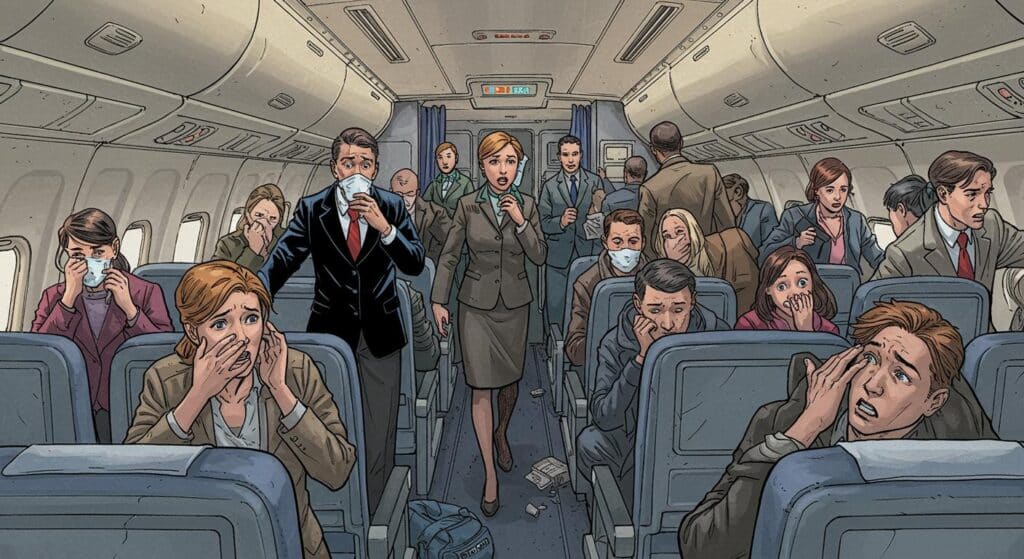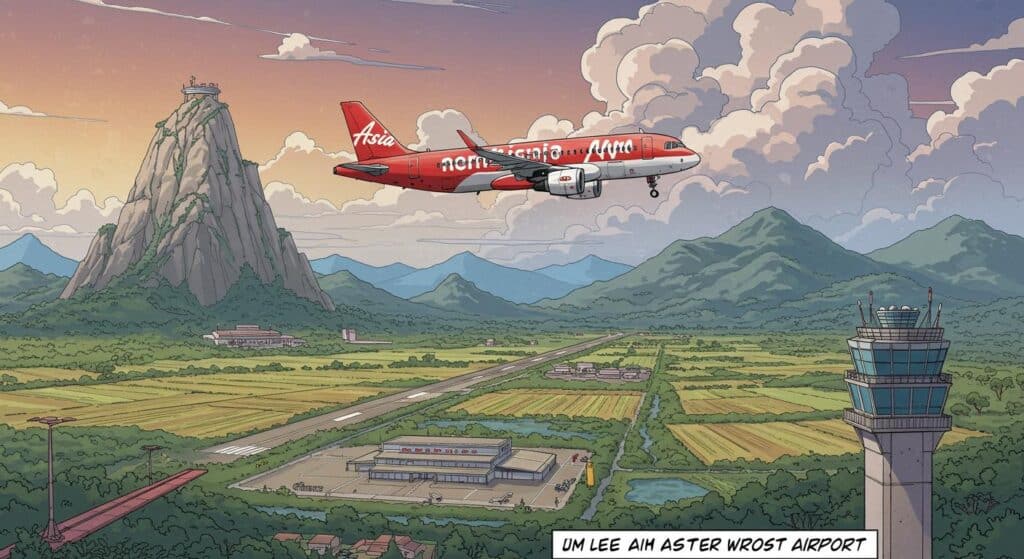
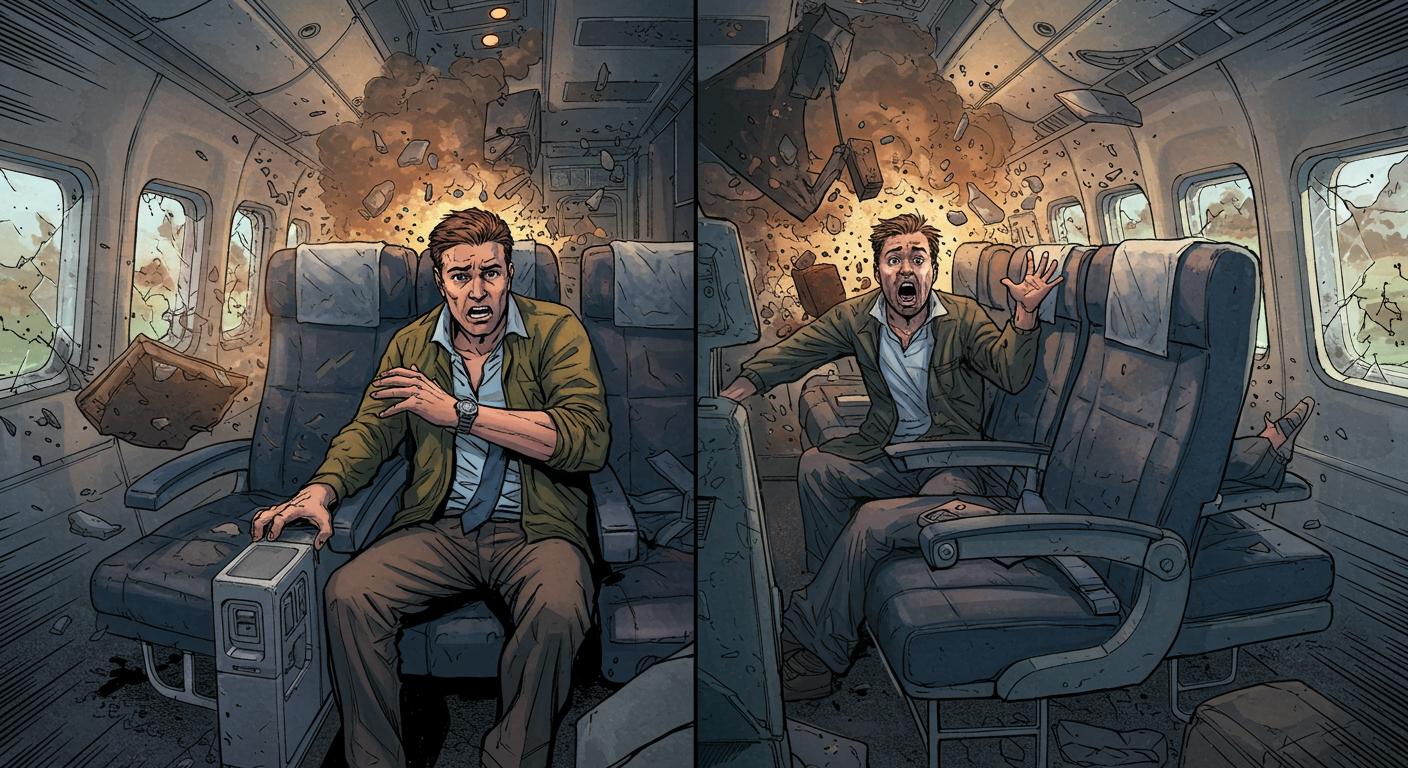
The latest entry in the long, strange annals of improbable coincidence: seat 11A. Yesterday, in an Air India crash so grim the word “miracle” feels almost perfunctory, a single passenger defied statistics, logic, and probably a few airline safety diagrams by walking away. As Tyla reports, Vishwash Kumar Ramesh was found alive amid a disaster that took 241 out of 242 lives aboard a Boeing 787-8 Dreamliner after it plummeted into a residential area in Ahmedabad, Western India.
But before you file this under “tragic fluke,” things take what can best be described as a left turn into statistical folklore: both Ramesh and Ruangsak Loychusak, a Thai pop singer and sole survivor of a 1998 Thai Airways crash, were seated in—you guessed it—11A.
Statistical Outliers and the Phantom Power of Seat Numbers
Let’s be precise: plane crashes are, by any standard, exceptionally rare. The chances of being in one, surviving it, and then having someone in a near-identical seat replicate your exact feat decades later? That’s the sort of probability most mathematicians will gently laugh off. Yet here it is. In a detail highlighted by Daily Mail, Ramesh was sitting by the exit—prime territory for those who read too many evacuation pamphlets—and was reportedly “ejected” before his section exploded. Amid the chaos, he heard a “loud noise,” saw “bodies all around,” and in a mix of confusion and instinct, found his way out.
This sense of stupefied luck is threaded throughout his retelling. In an account shared by LBC, Ramesh described “walking out of the rubble,” his survival inexplicable even to himself: “I still can’t believe how I survived… I walked out of the rubble,” he said. When questioned about the mechanics of his escape, he confessed, “I have no idea how I exited the plane.” Notably, his brother Ajay was aboard too—seated across the aisle in 11J—but was among the fatalities. The randomness is as chilling as it is plain.
There’s the kicker: Ruangsak Loychusak, the Thai pop singer who survived Thai Airways Flight TG261 in 1998, also found himself in 11A. According to Tyla, the parallels gave him “goosebumps.” He described a decade-long aftermath of panic and survivor’s guilt—a reminder that survival is no get-out-of-trauma-free card. The number 11A, now, is less travel detail and more unwitting membership badge to a club no one wants to join.
Is there anything special about a particular seat? A rationalist instinct says no, and yet after sifting through enough strange patterns, it’s hard not to feel at least a twinge of the uncanny. Human brains are finely tuned for pattern recognition—sometimes, perhaps, too finely.
The Company of Survivors
A catastrophic crash yielding a single survivor creates a certain mythology, one that’s both grim and magnetic. Ramesh has now joined a league of statistical outliers—people whose stories, by their nature, are forever in the realm of the unexplained. As the Daily Mail documents, other entries in this tragic anthology include Juliane Koepcke, who survived a 3,000-meter plunge into the Amazon as a teenager and wandered for 11 days before rescue; Michelle Dussan, a child found half-buried in wreckage for 13 hours; and Austin Hatch, renowned for surviving two separate family plane crashes.
Across these extraordinary accounts, a few threads emerge. There’s that common refrain—”I don’t know how I made it out.” Sometimes, like with Ramesh or Loychusak, a seemingly insignificant detail (a seat number, an exit row) becomes invested with meaning. But does a pattern automatically invite an explanation, or do we humans simply delight in connecting dots, however random?
As LBC observes, this crash marks the first-ever fatal incident involving a Boeing 787 Dreamliner—an aircraft typically held in high regard. Experts are already suggesting, reviewing footage and preliminary data, that the culprit could be an error with flap settings or pilot misjudgment; there’s no mention of superstition in the fleet maintenance logs. Still, the seat number’s new notoriety might make even the most pragmatic traveler pause over their next online check-in.
The Reluctant Messengers
Survival, in these circumstances, rarely equals reprieve. Ramesh walked away, but at an enormous cost—his brother, so close as to almost share an armrest, did not. As described in reports, survivors such as Ruangsak Loychusak often grapple for years with trauma and guilt that resist easy resolution. Koepcke waited fifteen years before publicly addressing her ordeal. For Ramesh, the next weeks and months will likely be a parade of amazement and uneasy questions, all shadowed by the number 11A.
Now with two documented cases of sole survivorship tied to that seat, will airlines start getting inquiries? Will cautious flyers quietly shun 11A, in the same way hotel elevators dodge the 13th floor? Superstition cohabits comfortably with aviation—lucky charms in cockpits, rituals before departure, even the official retirement of flight numbers after high-profile disasters. It wouldn’t be the strangest legacy for 11A to gather a bit of mythos. But does superstition seek out numbers, or do numbers attract the stories?
The Case File Remains Open
Rational explanations persist—physics, impact angles, access to exits, all adding up as a tally of probabilities. But after sifting through years’ worth of oddities in archive news and dust-laden files, I’d be lying if I said a story like seat 11A wasn’t quietly delightful in its audacity, even if every fact points to “just chance.”
So let’s file seat 11A under “very weird karma,” cross-referenced alongside falling pianos, four-leaf clovers, and other rare events that science can explain but folklore prefers to embellish. Would you book seat 11A? Or, like a quietly superstitious librarian, would you opt for an aisle seat and let the universe keep its little cosmic mysteries to itself?