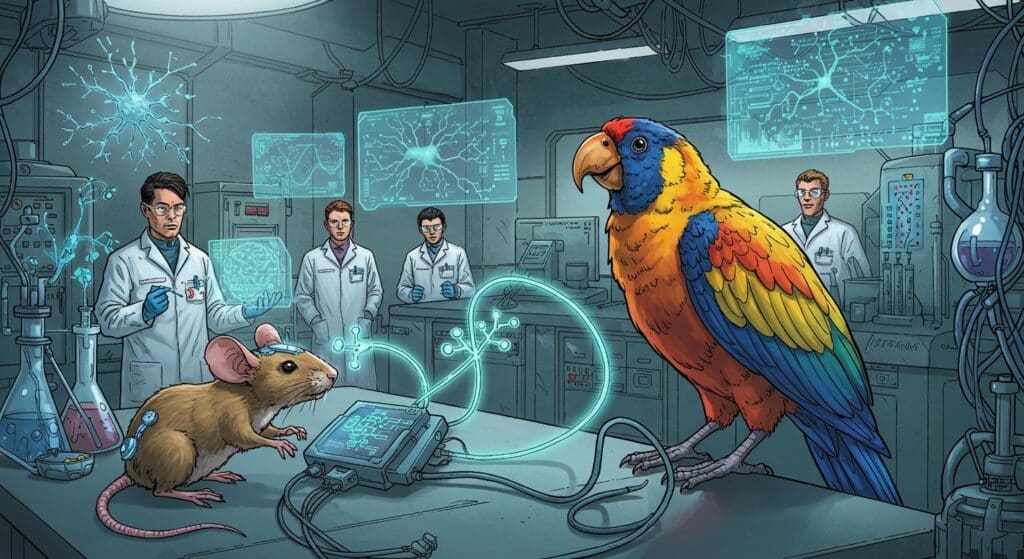

Apparently, death is a bit less final than previously advertised—at least for brain cells. Recent news coverage has quietly dropped a fascinating tidbit into the public consciousness: brain cells are getting, quite literally, a rude awakening after the host body has formally clocked out.
Posthumous Brain Activity: Sparse Details, Big Questions
In a headline that packs more intrigue than explanation, arraymedia reports that scientists have revived brain cells after death. The article, while offering little more than an MRI image and a brief line of text, confirms ongoing research into reactivating brain tissue following clinical death. There’s no deep dive into the methods, just the bare outline: yes, certain cells that seemed ready for eternal rest can be prodded back to activity. If you’re waiting for tales of full-brain reanimation or memory recall, you’ll have to content yourself with a much subtler story for now.
The Daily Sun touches on a similar scientific venture, noting that researchers have managed to revive brain function in dead pigs. Details in their write-up are nearly as minimal—no scientific bravado, just a straightforward acknowledgement that this kind of experiment is happening. While the reporting stops short of technical explanation, the underlying fact is clear: post-mortem neural stimulation is both feasible and underway.
Carefully Controlled, Quietly Dystopian
Grouping both articles together, the message seems to be: scientists have crossed the threshold of death and returned (briefly) with more than just philosophical questions. The outlets hint that while these efforts restore some activity to otherwise dormant cells, there’s no implication of revived consciousness, much less a thinking, feeling brain. To be clear, neither source claims zombified pigs or chatty brain slices. If anything, the restrained coverage is a reminder that these are slow, sober steps in unknown territory.
For a bit of outside context, prior high-profile experiments—like those reported by Yale involving pig brains—did manage to restore limited cell function hours after death, but no signs of conscious awareness emerged. It’s helpful to note, though, that this additional context isn’t detailed in the articles themselves.
Who Gets to Sleep In After Death, Anyway?
The very idea—that “dead” brain cells can be shaken from their biological afterlife—is brimming with implications for neuroscience, medicine, and ethics. The reporting from both outlets highlights only the most basic facts, but leaves plenty of room for speculation about what comes next. Could this eventually lead to better treatments for brain injuries or strokes? Or are we wandering deeper into an ethical thicket where consent and identity become unanswerable questions?
It’s worth noting just how little regulatory or philosophical guidance exists for tinkering with posthumous neurons. The silence from the sources on these matters is palpable—though perfectly understandable at this early, cellular-focused stage.
Not Quite the End: Brain Cells’ Lingering Encore
The concept that neurons can be briefly resurrected after death has that peculiar mix of creepiness and clinical cool that science news sometimes delivers best. No sentient pigs, no laboratory echoes of human thought—just a group of cells, blinking back to life after being told their services were no longer required. But if this quiet persistence is any indication, the line between “off” and “just resting” is blurrier than we might want to admit.
For now, these revived brain cells are more scientific anomaly than resurrection headline—but it’s a powerful reminder that biology, like death, rarely respects a clean ending. How far might this line be pushed before we’re forced to redefine what it means to truly rest in peace? For now, the most surprising thing about the story is how understated it is—scientists gently pressing on the boundaries of the forever unknown, with barely a ripple.